
The Atari ST and Rainbow Islands:
A Tale of Passion and Progress
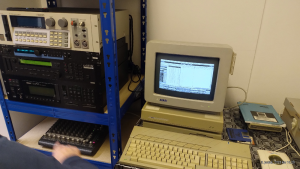
When the Atari ST debuted in 1985, it was more than just another home computer—it was a statement of intent. Atari, once the king of video games, had stumbled badly after the 1983 video game crash. Yet, under the leadership of Jack Tramiel (formerly of Commodore), the company sought redemption through personal computing. The Atari ST was to be the machine that put Atari back on the technological map. The ST stood for “Sixteen/Thirty-two,” referencing its Motorola 68000 CPU, a 16/32-bit processor clocked at 8 MHz—impressive for its time. Bundled with 512 KB of RAM (later expandable), a built-in MIDI interface, and the GEM graphical operating system, the Atari ST appealed to both home users and professionals. It was also affordable: significantly cheaper than Apple’s Macintosh or Commodore’s Amiga. The ST’s clean graphical interface and crisp, high-resolution monochrome monitor made it a favorite among writers, artists, and especially musicians. Its built-in MIDI ports were revolutionary—no other home computer offered that out of the box. Musicians could directly connect synthesizers and drum machines, turning the ST into a low-cost digital studio. Software like Cubase and Notator were born on the ST, shaping electronic music production for decades.
The press received the Atari ST warmly, though with caveats. Magazines like ST Format and Compute! praised its speed, value, and versatility, calling it a “serious computer for serious users.” Reviewers admired its fast graphics, elegant design, and responsive operating system. However, critics pointed to limited color graphics compared to the Commodore Amiga and relatively weak sound capabilities—its Yamaha YM2149 chip was decent but no match for the Amiga’s advanced Paula audio system. Still, Atari sold respectably. Estimates suggest between 4.5 and 5 million units were produced before manufacturing ceased in the early 1990s. The ST carved a strong niche in Europe, especially in Germany, France, and the UK, where creative communities embraced it. In the United States, however, it struggled against IBM PCs, Apple Macs, and later, the Amiga.
Among the many games ported to the Atari ST, Rainbow Islands: The Story of Bubble Bobble 2 (1989) stands out as a symbol of the platform’s vibrant gaming scene. Developed by Taito and ported by Ocean Software, the game continued the cheerful legacy of Bubble Bobble. Players controlled Bub and Bob—now in human form—as they climbed vertically scrolling levels by creating magical rainbows to trap enemies and reach platforms. On the Atari ST, Rainbow Islands captured much of the arcade magic, though compromises were evident. The graphics were bright and detailed, showcasing the ST’s ability to handle colorful sprites, but the sound effects were somewhat muted compared to the arcade or Amiga versions. Nevertheless, critics praised the conversion’s smooth gameplay and addictive design. ST Action magazine awarded it high marks for playability and charm, calling it “a shining example of how to translate an arcade hit to the home computer world.”
The Atari ST appealed to different audiences for different reasons. Musicians valued its precision MIDI timing; graphic artists enjoyed the monochrome resolution; gamers appreciated the large library of arcade conversions and European titles. For families, it was an affordable way into computing, with educational and productivity software bundled alongside entertainment. Its open, hackable design also inspired hobbyists. Users could program in C, BASIC, or even assembly, and communities formed around creating demos—graphical showcases that pushed the hardware beyond its intended limits. The “demo scene” that grew around the Atari ST was a precursor to today’s indie developer culture. By the early 1990s, the computing landscape had shifted. IBM-compatible PCs became cheaper, more powerful, and increasingly dominant. Atari attempted to evolve with the TT030 and Falcon 030, but sales dwindled. Production of the ST line effectively ended by 1993, marking the close of an era. Still, the Atari ST left a lasting mark. It was the computer that brought affordable digital creativity to the masses, the machine behind countless early techno tracks, 2D graphics demos, and fond gaming memories. And in games like Rainbow Islands, it showed that even with technical limits, joy and imagination could still shine through. Today, the Atari ST remains beloved among retro computing enthusiasts. Its distinctive grey case and GEM desktop evoke a time when computers were personal, experimental, and filled with possibility. Rainbow Islands, too, endures as a colorful reminder of that optimism—a rainbow stretching from the golden age of arcade games to the dawn of creative computing.
Further information about Atari ST:
- Atari ST – The computer for musicians
- Professional Ambitions in the 16-Bit Era by Atari
- Atari STE: A Technological Evolution of the ST Line
- The legacy of computer culture
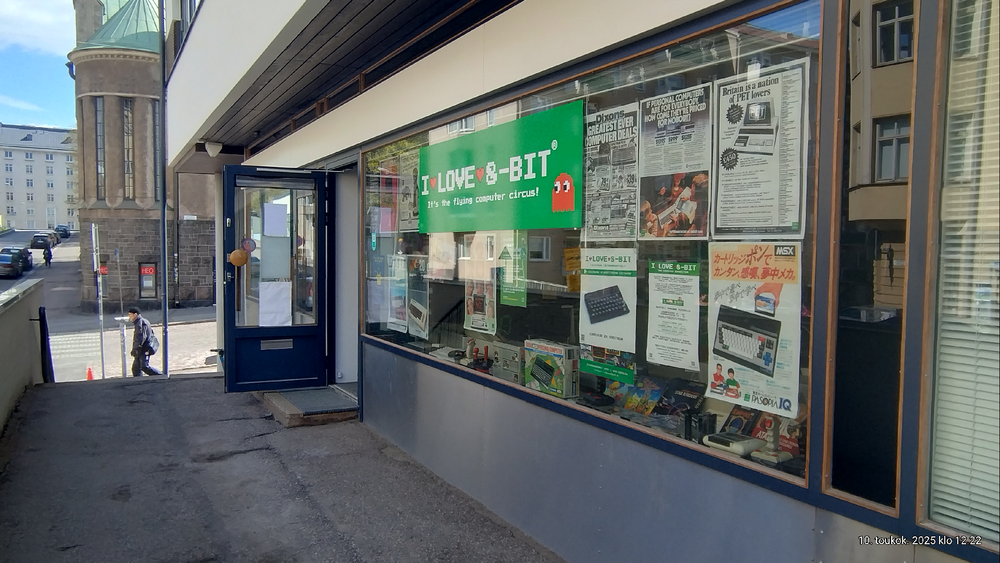
See the Rainbow Island in action at the show provided by Kouvola City Library 2025!











 English (UK)
  Suomi
Suomi  Español