web analytics

Commodore Amiga 500

When Brilliance Isn’t Enough:
The Commodore Amiga 500 Story

In 1987, Commodore released the Amiga 500, a home computer that immediately captured the imagination of gamers, hobbyists, and creative professionals alike. Despite its relatively affordable price, the Amiga 500 packed technological features far beyond what most competitors could offer at the time. It boasted a Motorola 68000 CPU running at 7.16 MHz, custom graphics and sound chips, and a multitasking operating system capable of running complex applications and games. Yet, despite these impressive specifications and the machine’s overwhelming capabilities, the Amiga 500 faced challenges that ultimately prevented it from dominating the market. Its story is a poignant example of how technological superiority does not always guarantee commercial success. The Amiga 500’s hardware was revolutionary for a home computer of its era. Its graphics chipset—comprising the Agnus, Denise, and Paula chips—enabled resolutions up to 640×512 in interlaced mode, 4096 colors with Hold-And-Modify (HAM) mode, and hardware sprites, which allowed for smooth animation and complex graphical effects. Meanwhile, its Paula sound chip delivered four-channel stereo audio, providing a level of sound sophistication that far outstripped the Commodore 64 and most IBM-compatible PCs of the mid-1980s. These capabilities made the Amiga 500 a favorite platform for game developers seeking to push the boundaries of home entertainment. Titles like Shadow of the Beast, Lotus Esprit Turbo Challenge, and The Secret of Monkey Island showcased the system’s stunning visuals and sound, leaving contemporaries struggling to match its performance.

Yet the Amiga 500 was more than a gaming machine. Its operating system (OS) offered pre-emptive multitasking, a graphical user interface, and advanced file management, features far ahead of what PCs running DOS offered at the time. For creative professionals, the Amiga 500 enabled desktop publishing, animation, and music production at a fraction of the cost of professional workstations. Programs like Deluxe Paint and ProTracker became essential tools for artists and musicians, cementing the Amiga’s reputation as a platform for creativity. It was a computer that blurred the line between home entertainment and professional productivity, a rare feat in the late 1980s. Despite these advantages, the Amiga 500 faced stiff competition from multiple fronts. In the gaming market, the Commodore 64 still held strong due to its massive software library and entrenched user base. Meanwhile, the Atari ST series offered competitive graphics and sound, and its MIDI capabilities attracted musicians, especially in Europe. IBM PCs were becoming increasingly common in homes and offices, and Apple’s Macintosh continued to appeal to creative professionals with its software ecosystem and user-friendly interface. Unlike the Amiga, many of these competitors benefited from better marketing strategies, stronger corporate support, and wider software availability, factors that often mattered more to consumers than raw technical power.

Marketing missteps played a significant role in the Amiga 500’s commercial challenges. Commodore, while technically brilliant, struggled to communicate the computer’s capabilities to a mainstream audience. Consumers often did not understand the significance of pre-emptive multitasking, HAM graphics, or advanced sound channels, while competitors like Apple and IBM had clearer, more compelling messaging. Additionally, Commodore’s management frequently underinvested in software development support and failed to cultivate long-term relationships with third-party developers, which limited the system’s software ecosystem outside its core European markets. As a result, even though the Amiga 500 was technically superior, it did not always win against simpler, better-marketed, or more widely supported systems. Another challenge was the rapidly evolving market landscape. By the early 1990s, 16-bit consoles like the Sega Mega Drive and Super Nintendo Entertainment System began to dominate the gaming segment, offering ease of use and a consistent experience directly on the television. Meanwhile, PC clones were gaining software standardization, and Windows 3.0 and its successors made IBM-compatible machines more accessible for business and multimedia applications. The Amiga 500, despite its technical prowess, increasingly appeared as a niche system, struggling to maintain relevance as consumer expectations shifted and new competitors emerged.

Yet, the Amiga 500’s legacy has endured far beyond its commercial peak. Enthusiasts continue to celebrate its contributions to gaming, multimedia, and creative computing. Retro computing communities, emulators, and even modern re-releases have preserved the platform’s software and hardware innovations. Its architecture inspired generations of developers to explore complex graphics, audio programming, and multitasking in ways that were inaccessible on other home computers of the era. In Europe, particularly in Germany, the UK, and Scandinavia, the Amiga retains a cult following, with magazines, forums, and online archives devoted to its history, software, and hardware preservation. The Amiga 500 also helped define a broader cultural phenomenon. It demonstrated that technical excellence alone is insufficient in a competitive market; factors such as marketing, software availability, developer support, and timing often matter more than raw specifications. The Amiga’s story is a lesson in how innovation must be coupled with strategy, ecosystem development, and consumer communication. Commodore’s missteps with hardware successors and corporate management contributed to the eventual decline of the Amiga brand, yet the Amiga 500 itself remains a benchmark for what a home computer could achieve in the late 1980s.

Today, the Amiga 500 holds a unique place in computing history. Its hardware innovations set standards for graphics, sound, and multitasking that would influence later personal computers and gaming systems. The platform is celebrated in retro gaming circles, with emulators allowing modern users to experience its software library. Moreover, modern AmigaOS implementations continue to run on contemporary hardware, preserving the spirit of the system and demonstrating its lasting relevance. While Commodore as a company no longer exists, the Amiga 500 endures as a symbol of ingenuity, creativity, and the potential of home computing. In conclusion, the Commodore Amiga 500 exemplifies the paradox of technological superiority: a machine that, despite its advanced capabilities, could not fully dominate the market due to competition, marketing challenges, and shifting consumer landscapes. Nevertheless, its impact on gaming, multimedia, and creative computing remains profound. It inspired software developers, musicians, and artists, and its architectural innovations continue to be appreciated decades later. The Amiga 500 is a reminder that innovation, while necessary, is never sufficient without strategic support, and it stands as a lasting icon in the history of personal computing—a system where, although the best did not always win, its legacy remains undefeated.

Atari 800 XL

Atari 800XL:
The Versatile 8-Bit Powerhouse

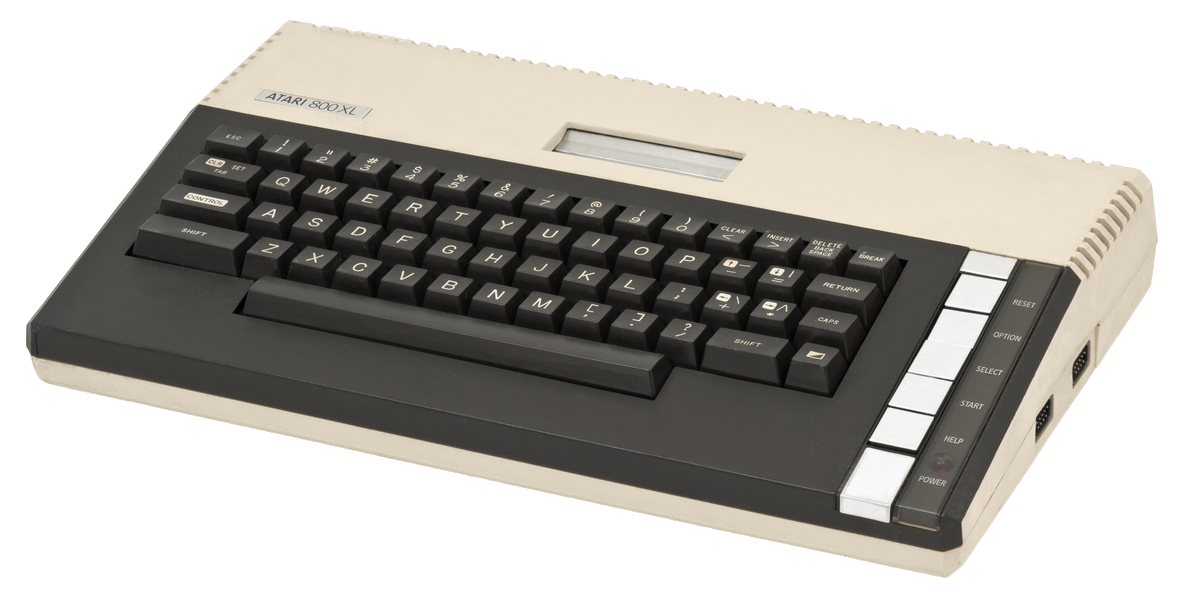
The Atari 800XL was an 8-bit home computer manufactured by Atari, Inc. and released in 1983. It was part of the Atari 8-bit computer product family and was particularly known for its stylish design and versatile features. The Atari 800XL quickly became popular among enthusiasts and gamers around the world, selling particularly well in the United States. The Atari 800XL was a continuation of the Atari 400 and 800 models. The design of this machine focused on providing more powerful features and better compatibility with older model software. The computer was developed in the United States and manufactured mainly in Taiwan. Atari’s 8-bit product family was developed by Atari’s designers under the leadership of Alan Kay. The company’s vision was to create a computer that would be accessible and appealing to gamers and hobbyists alike. The 800XL was an important part of this strategy, as it was designed to compete specifically with computers such as the Commodore 64 and Sinclair ZX Spectrum.

Production of the Atari 800XL began in 1983. It quickly replaced the earlier 600XL and 1200XL models, which had not achieved the expected sales success. Production was discontinued in 1985 when Atari switched to producing 16-bit Atari ST models to compete in the market for more powerful computers. The Atari 800XL was Atari’s best-selling 8-bit computer model, with estimated global sales of around 2 million units. The largest markets were the United States and Europe, particularly Germany and the United Kingdom. In Finland, the Atari 800XL was well known, but it did not achieve the same popularity as the Commodore 64. Nevertheless, it was a significant computer among enthusiasts and was sold in electronics and computer stores, such as Anttila and Tekniset. The price in Finland was around 2,000-3,000 Finnish marks, depending on the time and place of purchase. The Atari 800XL faced stiff competition, as the early 1980s were the golden age of home computers, and there were plenty of alternatives on the market. The strength of the Atari 800XL was its compatibility with a wide range of games.

Released in 1983, the Atari 800XL was Commodore’s primary competitor in the 8-bit home computer market, representing Atari’s attempt to maintain a strong presence in a rapidly evolving and fiercely competitive environment. The 800XL offered a combination of versatility, graphical capability, and reliability that made it an attractive choice for both gaming and educational use. Yet, despite its strengths, it faced one of the most formidable competitors in home computing history: the Commodore 64, which would come to dominate the market for years. The Atari 800XL featured 64 KB of RAM, built-in ANTIC and GTIA chips, and a four-channel sound system, allowing it to produce advanced graphics and rich audio that few other 8-bit computers could match. Its robust construction and user-friendly design made it a dependable machine for families and hobbyists alike. Users appreciated its expandability, supporting peripherals such as disk drives, printers, and modems, as well as its compatibility with older Atari 400 and 800 software. This versatility allowed the 800XL to serve multiple purposes: a gaming console, an educational tool, and a platform for learning programming through Atari BASIC.

Gaming was a particular strength for the 800XL. Its graphics and sound capabilities allowed for visually impressive and engaging titles, ranging from arcade-style action games to adventure and puzzle titles. The Atari 800XL attracted talented developers who were able to exploit the hardware to produce some of the era’s most memorable games. Its backward compatibility ensured that users had access to a wide library of existing software, enhancing its appeal in the European and North American markets. However, the Commodore 64 proved to be an overwhelming rival. The C64’s 64 KB of RAM (the same as the 800XL), SID sound chip, and massive software library allowed it to dominate both gaming and home computing. It offered a lower price point in many markets, combined with an extensive network of third-party software developers, which created a self-reinforcing cycle of popularity. While the 800XL was technically impressive and often superior in graphics rendering in certain modes, the C64’s combination of affordability, marketing, and software availability made it difficult for Atari to compete. Many casual users simply chose the C64 because of its ubiquity and broad community support. Critics of the 800XL often noted that its peripheral compatibility issues and more complex configuration could frustrate beginners. While it offered power and flexibility, it lacked the clarity of Commodore’s ecosystem, which emphasized ease of use and widespread availability of titles. Marketing missteps and limited support for international software further constrained Atari’s ability to expand its user base. As a result, despite its technological merits, the 800XL struggled to gain the same level of recognition and market share as its C64 counterpart.

Nevertheless, the Atari 800XL retains a respected place in computing history. It exemplifies the power and versatility achievable in an 8-bit home computer, offering advanced graphics, multi-channel sound, and expandability that inspired both hobbyists and professional developers. While it did not surpass the Commodore 64 in commercial success, it fostered a passionate community that appreciated its capabilities and contributed to its enduring legacy. The 800XL serves as a reminder that technical excellence alone is not always enough to dominate a competitive market; ecosystem, pricing, and marketing often matter just as much as performance. Today, it is celebrated as a classic of the 8-bit era, remembered for its reliability, innovation, and contribution to the early days of home computing.

Spectravideo SVI-738

The portable MSX computer

The SVI-738 MSX computer was a compact yet powerful machine for its time. Built around the Zilog Z80A CPU running at 3.58 MHz, it offered 64 KB of RAM—double the base memory of the original SVI-728—and 16 KB of VRAM for graphics. Its TMS9918A video chip allowed for 16-color graphics, smooth scrolling, and sprite support, while its AY-3-8910 sound chip delivered three-channel audio. This combination made the SVI-738 capable of producing a visually appealing and aurally engaging experience that attracted gamers, hobbyists, and educational users alike. The system supported both cartridge and cassette-based software, which was central to the MSX philosophy of interchangeability and cross-compatibility. One of the SVI-738’s defining strengths was its adherence to the MSX standard. Unlike proprietary machines, which often limited users to a specific manufacturer’s software, the MSX standard allowed programs written for one MSX machine to run on any other compliant system. For consumers, this meant access to a broader library of games and applications, as well as a sense of security that their investment would not be quickly rendered obsolete. This compatibility was particularly appealing in regions like Europe and Japan, where the standard was actively promoted and supported by multiple manufacturers.

The SVI-738 found its niche in both home and educational settings. It offered a built-in BASIC interpreter, allowing users to write and experiment with their own programs, an essential feature in an era when personal computing was closely tied to learning and experimentation. Software ranged from educational titles to arcade-style games, including ports of popular Japanese titles and original MSX games developed specifically for the standard. The machine’s graphics and sound capabilities allowed developers to create engaging experiences that often rivaled or exceeded what could be produced on other 8-bit systems. Despite its strengths, the SVI-738 faced several challenges. Its primary competitor in many markets was the Commodore 64, whose superior marketing, software library, and large user base made it the dominant 8-bit home computer of the era. While the SVI-738 was technically capable, many consumers were drawn to the C64’s extensive catalog of games and established presence in stores and media. In addition, while the MSX standard was ambitious, it suffered from inconsistent support among manufacturers and fragmented marketing, which sometimes made it difficult for consumers to understand the system’s advantages. Even within the MSX ecosystem, competing models could differ in design, build quality, and peripheral support, leading to a perception of inconsistency.

Another notable feature of the SVI-738 was its CP/M compatibility, which allowed it to run software originally developed for the widely used Control Program for Microcomputers operating system. This expanded the range of applications available to users beyond typical MSX programs, particularly in areas such as word processing, data management, and small-scale business computing. By supporting CP/M, the SVI-738 offered a bridge between home computing and professional productivity, making it an attractive choice for users who wanted both entertainment and practical utility from a single machine. This compatibility further underscored the system’s versatility and reinforced its position as a platform capable of meeting diverse computing needs.

Nevertheless, the SVI-738 achieved notable success in regions where the MSX standard was actively promoted. Its compact design, color graphics, and strong sound capabilities made it attractive to both gamers and hobbyists, while the built-in BASIC interpreter encouraged programming and experimentation. In Europe, particularly in countries like the United Kingdom, the Netherlands, and Germany, the SVI-738 gained a following among enthusiasts who appreciated the platform’s versatility and software compatibility. Its combination of affordability, expandability, and adherence to a shared standard allowed it to compete effectively in a crowded marketplace, even if it never matched the sheer commercial dominance of the C64. From a cultural perspective, the SVI-738 represents a milestone in the pursuit of software standardization in home computing. It demonstrated the potential benefits of a unified platform: a broader software library, cross-compatibility, and a sense of long-term investment security for consumers. At the same time, it highlighted the challenges inherent in such an approach, particularly in a market dominated by strong competitors with large software ecosystems and aggressive marketing strategies.

Today, the Spectravideo SVI-738 is remembered fondly by retro computing enthusiasts. Its contribution to the MSX standard, its role in home entertainment and education, and its technical capabilities make it a symbol of the era’s experimentation and ambition. Collectors and hobbyists continue to preserve SVI-738 hardware and software, ensuring that its legacy endures. While it never reached the market dominance of some contemporaries, its place in computing history is secure, exemplifying the potential and challenges of early efforts to create a unified home computing standard.

Sinclair ZX Spectrum

Spectrum started Britain’s Home Computing Revolution

Released in 1982, the Sinclair ZX Spectrum quickly became one of the most influential home computers in history, particularly within the United Kingdom. Developed by Sinclair Research under the vision of Sir Clive Sinclair, the Spectrum was designed to be affordable, compact, and accessible to a wide audience. Its release marked a turning point in the home computing market, bridging the gap between hobbyist electronics kits and fully functional computers suitable for households. The ZX Spectrum’s influence extended far beyond hardware; it reshaped the British gaming industry, inspired a generation of programmers, and left an enduring cultural footprint that continues to resonate today. The ZX Spectrum was designed around the Zilog Z80A CPU, running at 3.5 MHz, and came in models with 16 KB or 48 KB of RAM. Its graphics were handled by a simple display system capable of 256×192 pixels with 15 colors, while sound was limited to a single-channel beeper. Despite these modest specifications, the Spectrum offered immense potential for creativity. Its built-in BASIC interpreter allowed users to program their own software, fostering computational literacy among a generation of British youth. The system’s affordability—often priced under £200—made it accessible to households that would otherwise have been unable to purchase a home computer, establishing it as a gateway to computing for countless students, hobbyists, and aspiring developers.

The ZX Spectrum’s most lasting impact is perhaps its role in gaming and software development. Its limited hardware inspired programmers to innovate, producing imaginative and technically impressive titles that maximized the system’s capabilities. Games like Manic Miner, Jet Set Willy, and Elite demonstrated that compelling gameplay and innovative design could compensate for graphical and sound limitations. The Spectrum’s success also fueled the growth of the UK video game industry, creating opportunities for small software houses, independent developers, and bedroom coders who would later become influential figures in the global gaming industry. By lowering the barrier to entry, the ZX Spectrum effectively democratized game development, giving rise to a vibrant and creative ecosystem that would leave a lasting legacy. Culturally, the ZX Spectrum became a symbol of British ingenuity and accessibility. It appeared in homes, schools, and hobbyist clubs, shaping the perception of computers as both tools and sources of entertainment. It introduced young people to programming, electronics, and problem-solving, embedding technical literacy into daily life. Magazines such as Your Sinclair and Crash provided reviews, programming tips, and tutorials, fostering a community of enthusiasts who shared knowledge and celebrated the platform. This cultural momentum helped establish computing as an integral part of British youth culture, influencing careers, hobbies, and leisure activities for decades to come. The ZX Spectrum also catalyzed the British computing industry in significant ways. Its commercial success encouraged the growth of domestic software houses and peripheral manufacturers, spurring innovation in both hardware and software. Companies like Ultimate Play the Game, later known as Rare, began as small developers for the Spectrum, ultimately becoming major players in the international gaming market. Peripheral devices such as joysticks, disk drives, and sound expansions expanded the system’s capabilities, reinforcing its versatility and appeal. Furthermore, the Spectrum’s affordability and popularity pressured other manufacturers to produce competing 8-bit machines, stimulating competition and innovation within the UK technology sector.

Despite its successes, the ZX Spectrum had notable limitations. Its graphics were constrained by the “attribute clash” phenomenon, which caused color bleeding when multiple sprites appeared on the same character cell, and its sound capabilities were minimal compared to contemporaries like the Commodore 64. The rubber keyboard, while cost-effective, was often criticized for being difficult to type on, and the machine’s reliance on cassette tapes for software loading was slow and prone to errors. Moreover, while the system excelled in the UK and parts of Europe, its lack of standardized expansion ports and limited international marketing hindered broader adoption in the United States and other markets dominated by Commodore and Apple computers. Yet these limitations did not diminish the ZX Spectrum’s importance. On the contrary, the constraints of the hardware fostered a culture of ingenuity and resourcefulness among developers. Programmers devised clever routines to overcome graphical and sound restrictions, producing games that were innovative, challenging, and often ahead of their time. The Spectrum’s accessibility also meant that users could engage with computing in ways previously impossible for the average household, inspiring many to pursue careers in software development, engineering, and related fields. In this sense, the ZX Spectrum was not merely a machine; it was an educational tool, a cultural phenomenon, and a launchpad for talent that would shape the technology and gaming industries for decades.

The ZX Spectrum’s legacy endures in multiple ways. Retro gaming communities continue to celebrate its software, preserving original titles and emulating its hardware on modern platforms. Its influence is visible in the careers of developers who began coding on the Spectrum and later became prominent figures in the global video game industry. Educational initiatives that emphasize programming for young learners often cite the Spectrum as an inspiration, demonstrating how a small, affordable machine can have an outsized impact on technical literacy. Moreover, its distinctive design, with the colorful rubber keys and compact form factor, remains iconic, symbolizing a period when personal computing became genuinely accessible to the masses. In conclusion, the Sinclair ZX Spectrum was far more than an affordable 8-bit home computer. It was a catalyst for cultural, educational, and industrial transformation in the United Kingdom. By combining accessibility, programmability, and affordability, it introduced computing to millions and sparked a thriving ecosystem of game developers and hobbyists. Its technical limitations, rather than hindering creativity, encouraged innovation and ingenuity. The Spectrum’s influence on British gaming, software development, and youth culture is unparalleled for its era, establishing it as one of the most important and celebrated personal computers in history. Even decades later, its legacy persists, reminding us that a simple machine, thoughtfully designed, can have a profound and lasting impact on technology, culture, and society.

Spectravideo SVI-728

Affordable MSX computer for homes

The Spectravideo SVI-728 was one of the best-known and best-selling computers based on the MSX standard, and was particularly popular in Finland. MSX computers were part of the home computer boom of the 1980s and competed mainly with computers from Commodore, Atari, and Sinclair. The Spectravideo SVI-728 offered an affordable and versatile alternative that benefited from the compatibility and software availability provided by the MSX standard. The Spectravideo SVI-728 was released in 1984 and was one of the first devices based on the MSX standard. For those who don’t know, the purpose of the MSX standard was to create an ecosystem of compatible home computers that combined hardware and software from multiple manufacturers. Today, PCs represent this mainstream, but even there are differences, for example, whether the computer runs Windows or has a Linux-based operating system such as Ubuntu or Debian installed. MSX computers did not have different operating systems available.

The Spectravideo SVI-728 was manufactured in Taiwan, even though Spectravideo’s headquarters were located in the United States. The design utilized the basic solutions of Spectravideo’s previous computer models, such as the SVI-318 and SVI-328, but was completely adapted to be MSX-compatible. The development of MSX was led by Japanese electronics giant Microsoft in collaboration with ASCII Corporation. The goal of the standard was to provide a compatible platform that would enable the use of software and peripherals on devices from different manufacturers. SpectraVideo’s own design team was responsible for the technical implementation of the SVI-728. The company took advantage of the technologies used in its previous products and adapted them to the MSX requirements.

As mentioned earlier, the SVI-728 was particularly popular in Finland, where it found its way into many homes and schools. Sales figures have not been accurately documented, but the SVI-728 was one of the best-selling MSX computers in Finland, partly due to its good availability and competitive pricing. The Spectravideo SVI-728 was available from several electronics stores, such as the Tekniset chain and local home appliance stores. At the time of its release, the SVI-728 cost around 3000 Finnish marks in 1985 and in 1986 the device was sold with five game modules for 1590 Finnish marks.. This price made it a more affordable option than many of its competitors, such as the Commodore 64, which was more expensive. Spectravideo packages often included additional accessories, such as a cassette drive or game controller, which added to their appeal. Sales were concentrated in Europe, particularly in the Nordic countries, but it was also sold in Japan, where the MSX standard was particularly popular. In the United States, the success of the MSX standard was limited, so the SVI-728 remained a marginal phenomenon there.

The MSX platform had a wide range of software, and the SVI-728 was compatible with all MSX standard software. Some of the most popular games were:

1. Knightmare: An action game in which the player controlled a hero fighting against evil.
2. Metal Gear: A tactical action game that later grew into one of the most significant series in gaming history.
3. Penguin Adventure: A classic platform game in which the player controlled a penguin in different worlds.
4. Kings Valley: A puzzle game that challenged the player to solve complex levels.
5. Yie Ar Kung-Fu: A fighting game that was ahead of its time in its genre.

In addition to games, the MSX standard enabled versatile programming, and the inclusion of the BASIC language made learning programming easy to approach.


Spectravideo SVI-728 in operation at the I love 8-bit® exhibition event in Kokkola city library.

Commodore 64

The home computer legend of the 1980’s

Released in 1982, the Commodore 64 quickly became one of the most iconic home computers of the 1980s, a machine that combined affordability, technical innovation, and a rich software ecosystem to dominate the personal computing market. Developed by Commodore International, the C64 was designed to outcompete rivals like the Sinclair ZX Spectrum, Atari 8-bit series, and Texas Instruments machines by offering a perfect blend of power, flexibility, and cost-effectiveness. Its technical specifications were impressive for the time: a MOS Technology 6510 CPU running at 1 MHz, 64 KB of RAM—hence the name “C64”—and advanced graphics and sound capabilities unmatched by most competitors. These features made it not only a tool for productivity and education but also a revolutionary platform for gaming, multimedia, and digital creativity.

One of the key innovations of the Commodore 64 was its graphic and sound hardware. The VIC-II graphics chip allowed a resolution of 320×200 pixels with 16 colors, hardware sprites, smooth scrolling, and support for multiple display modes. Its SID sound chip offered three-channel synthesizer audio with filters and waveforms, enabling music and sound effects that rivaled professional synthesizers of the era. These capabilities made the C64 the preferred platform for game developers, and titles like The Last Ninja, Impossible Mission, and Elite demonstrated the machine’s technical prowess. In fact, many developers regarded the C64 as a system that enabled creativity within the constraints of 8-bit computing, encouraging innovative programming techniques and complex gameplay designs. The Commodore 64 was also revolutionary for its software ecosystem. Unlike many contemporary machines that relied on proprietary or limited software, the C64 quickly amassed a vast library of games, productivity applications, and educational titles. Cartridge, cassette, and later disk-based media allowed users to access a diverse range of software, while the built-in BASIC interpreter enabled custom programming. This made the C64 appealing not only to gamers but also to hobbyists and students eager to learn programming, experiment with digital art, or manage personal data. Its affordability—often priced below $600 at launch—made it accessible to households and schools, which further cemented its role as a cornerstone of 1980s home computing.

The impact of the Commodore 64 on gaming culture cannot be overstated. Its superior graphics and audio capabilities, combined with an extensive developer community, led to the creation of many genres and franchises that remain influential today. It became a training ground for early video game developers and composers, fostering a generation of talent that would later shape the international gaming industry. The C64 also popularized home gaming in Europe and North America, demonstrating that personal computers could rival dedicated gaming consoles in entertainment value, while offering the added benefit of programming and customization. Beyond gaming, the C64 influenced educational and professional computing. Schools adopted the machine for teaching programming and computer literacy, while home users employed it for word processing, spreadsheets, and even amateur music production. Peripherals such as disk drives, printers, modems, and networking devices expanded its capabilities, bridging the gap between hobbyist experimentation and practical computing. The machine’s compatibility with a wide range of software and hardware ensured longevity, allowing users to continue developing skills and enjoying content years after its release.

Despite its many strengths, the Commodore 64 was not without limitations. Its single-channel CPU, while adequate for most tasks, constrained multitasking and processing speed compared to later systems. Its BASIC environment, while flexible, was slower and less sophisticated than the environments offered by some competitors. Additionally, the machine relied heavily on tape and disk-based media, which could be slow and prone to errors, and its 8-bit architecture ultimately limited the graphical and computational ceiling. Yet these limitations did little to diminish its popularity; on the contrary, they often inspired creative programming solutions and innovative software design. The market success of the C64 was extraordinary. Over its lifetime, Commodore sold an estimated 17 million units worldwide, making it one of the best-selling single personal computer models in history. Its dominance shaped the competitive landscape, forcing companies like Atari, Sinclair, and Texas Instruments to reconsider pricing, features, and marketing strategies. The machine’s combination of affordability, power, and software diversity created a virtuous cycle: more users attracted more developers, which in turn attracted more users, solidifying the C64 as a cultural and technological icon.

Culturally, the Commodore 64 left an indelible mark. It influenced not only computing literacy but also music, design, and digital creativity. Iconic chiptunes created on the SID chip inspired future generations of electronic musicians, while early demos and graphics pushed the boundaries of what 8-bit computers could achieve. Communities of enthusiasts, hobbyists, and coders formed around the C64, fostering collaboration, knowledge sharing, and innovation. Its legacy is evident in modern retro computing, emulation projects, and the nostalgia-driven revival of 1980s computing culture. In conclusion, the Commodore 64 was a transformative machine that redefined home computing. Its technical innovations, extensive software library, and affordability allowed it to dominate the market, influence culture, and inspire generations of developers. While it faced limitations inherent to 8-bit architecture, its strengths far outweighed its weaknesses. The C64 demonstrated that a single machine could excel as both a gaming console and a computational platform, bridging entertainment and education in ways few machines had done before. Its impact on technology, industry, and culture remains profound, solidifying its place as one of the most important personal computers of all time.

Demoscene: The Electric Heartbeat of the Commodore 64

There are machines that defined a generation, and then there are machines that defined a culture. The Commodore 64 belongs firmly to the latter category. With its iconic SID soundchip, chunky pixels, and a mere 64 kilobytes of memory, it ignited a creative movement that still pulses with life today: the demoscene.

What began as playful experiments in code has grown into a global celebration of ingenuity, expression, and pure digital artistry. The C64 demoscene is built on one irresistible challenge: How far can you push a machine that was never meant to do any of this? Coders, graphic wizards, and musicians formed tight-knit groups, each determined to outmaneuver the technical limits and outshine their rivals. The result? Explosive color effects, impossibly smooth scrolling, shimmering rasters, and soundtracks so rich that they made the SID chip feel almost alive. Each demo is both a technical triumph and a creative manifesto, a reminder that constraints are the birthplace of innovation. This culture of friendly competition and relentless experimentation didn’t fade with the arrival of modern hardware. Instead, it became a living legacy—preserved, showcased, and celebrated by retro enthusiasts around the world.


The Computer Museum of Kallio praises the demoscene culture in Helsinki

And nowhere is that spirit more vividly alive than at the Legendary Computer Museum of Kallio in Helsinki. This beloved institution is more than a museum; it is a sanctuary for anyone captivated by the magic of 8-bit creativity. At the museum in Kallio, you can watch Commodore 64 and other classic 8-bit demos the way they were meant to be experienced: running on authentic hardware, humming with voltage, painting the screen with effects that seem to defy time itself.

The museum proudly features the demoscene as a key part of its world-renowned I love 8-bit® exhibition. It’s a vibrant, immersive journey into the heart of computing culture. Here, visitors can dive into the history, the artistry, and the rebellious spirit that shaped an entire digital underground. Every demo flickering across the screen in the museum, it is so much more than nostalgia. It’s proof that creativity thrives when boundaries are tight, that passion can transform limitations into masterpieces, and that the Commodore 64 still inspires dreamers decades after its release.

If you want to feel the true soul of digital art, step into the computer museum in Kallio and become familiar with demoscene culture ! There you can wonder the power of computers that are released early 1980’s.

Apple II Europlus

Bridging Innovation Across Europe

Released in the early 1980s, the Apple II Europlus represented Apple’s commitment to expanding its highly successful Apple II line into European markets. While the original Apple II series had already established itself as a powerful and versatile home computer in the United States, the Europlus model was designed specifically to meet the needs of European consumers, incorporating region-specific modifications such as local keyboard layouts, voltage compatibility, and television standards. It was part of a broader strategy by Apple to maintain its dominance in the personal computer market while adapting to the diverse technical and cultural requirements of international users. At its core, the Apple II Europlus shared the same robust architecture as its predecessors. Powered by a MOS Technology 6502 CPU running at 1 MHz, it featured expandable RAM, a color display, and high-resolution graphics capabilities for its time. The machine came with AppleSoft BASIC built into ROM, enabling users to write programs, manage data, or run the growing library of software that had made the Apple II so popular. Its open architecture allowed for peripheral expansion, including disk drives, printers, modems, and interface cards, which extended the system’s utility far beyond a mere home computer. These features combined to make the Europlus both a learning tool and a platform for professional productivity.

One of the most significant aspects of the Apple II Europlus was its role in education. Across Europe, schools adopted the machine as part of early computing programs, teaching students the fundamentals of programming, logic, and problem-solving. Its BASIC interpreter made it accessible to young learners, while more advanced students could explore hardware expansion and assembly-level programming. The Apple II Europlus also supported a wide range of educational software, from mathematics drills to language learning programs, fostering computational literacy in a generation that would later shape the European technology landscape.

Gaming was another key strength of the Apple II Europlus. Although not as graphically or sonically advanced as some contemporaries like the Commodore 64 or Atari 8-bit computers, it nevertheless hosted a vibrant library of titles. Games such as Castle Wolfenstein, Lode Runner, and various text-based adventures offered engaging experiences that appealed to both casual and dedicated users. Because of its open architecture, hobbyists and developers could create their own software, leading to a proliferation of small-scale games and utilities that enriched the platform and encouraged creativity among users.

The Apple II Europlus also played a pivotal role in professional and creative applications. It was employed for word processing, spreadsheets, and database management, particularly in small businesses and educational institutions. Peripheral support allowed for printing, networking, and data storage on floppy disks, which extended the system’s usefulness well beyond the classroom or living room. Its combination of versatility, expandability, and reliability made it a practical choice for users who needed a machine capable of handling both recreational and professional tasks.

Despite its strengths, the Apple II Europlus had its limitations. Its graphics, while impressive for text and simple color displays, could not compete with the high-resolution capabilities of some contemporaries, such as the Commodore 64 or Atari 800XL. Sound was limited to basic beeps and tones, lacking the richness found in dedicated audio chips on rival machines. Additionally, its price point remained higher than some competing European models, which occasionally hindered its adoption among cost-conscious consumers and contributed to the rise of other 8-bit platforms in the region.

Nevertheless, the Apple II Europlus’s cultural and educational impact was significant. It served as many European students’ first introduction to computing, providing them with the tools to experiment, program, and explore technology independently. Its presence helped solidify Apple’s reputation as a reliable and innovative computer manufacturer, while its adaptability to local markets demonstrated foresight in international strategy. Moreover, the Europlus contributed to the broader European home computing ecosystem, inspiring developers, hobbyists, and educators alike.

Today, the Apple II Europlus is remembered as part of the legacy of the Apple II family, a line of computers that defined the early era of personal computing. Collectors and retro computing enthusiasts continue to celebrate its role in bringing computing to European homes and schools, preserving software and hardware for posterity. While it may not have been as universally popular as some of its competitors, the Europlus remains a symbol of accessibility, versatility, and the early globalization of personal computing—a machine that empowered a generation to explore the possibilities of technology.

Commodore PET

A computer icon from the 1970s

In early 1977, the personal computer market was at the very beginnings of what would become a vast industry. In that year, two machines now often cited as pioneers of the home-/personal-computer era were released: the Apple II in June 1977 (by Apple Computer Inc.) and the TRS-80 (by Tandy Corporation under its Radio Shack brand) in August/September 1977. Around the same time, another important machine emerged: the Commodore PET.

The year 1977: Apple II and TRS-80

In June 1977, Apple introduced the Apple II, designed by Steve Wozniak and further marketed by Steve Jobs and the company. A few months later, on August 3, 1977, Radio Shack announced the TRS-80 Model I; sales began in September and quickly surpassed early expectations. These machines are often grouped together along with the Commodore PET as the “1977 trinity” of early home/personal microcomputers. That year marked a turning point: from hobby kits and industrial/micro‐controller systems, to machines marketed directly to education, home and small-business use.

The Commodore PET (whose name officially stood for “Personal Electronic Transactor”) was produced by Commodore International. According to multiple sources, development of the PET began in 1976, and it was first publicly demonstrated at the January 1977 Winter Consumer Electronics Show (CES) in Chicago. The PET was shipped to early customers later in 1977; many sources note that the first hundred units were shipped in mid‐October 1977, though general consumer availability came in December 1977. Thus, technically the PET preceded or at least overlapped the Apple II and TRS-80 in being introduced to the market. The machine’s hardware was built around the MOS Technology 6502 microprocessor running at about 1 MHz. The PET series included built-in monitor (initially a 9″ monochrome screen), keyboard, and early models included an integrated cassette tape deck for storage. The fact that Commodore already owned a steel‐cabinet manufacturing operation and the case of the PET was a welded metal chassis helped shape the PET’s distinctive all-in-one enclosure design.

Commodore PET 3032 in operation at the I love 8-bit® exhibition 2023


From the standpoint of 1977–1978, the PET offered one of the few truly self-contained personal computers: plug it in, power it up, and you had a keyboard, screen, BASIC interpreter and storage (cassette). The inclusion of a full BASIC interpreter in ROM, along with I/O ports and expansion sockets, made the PET a solid platform for education, small business, hobbyist programming, and research. Given its integrated design and early positioning, a user who wanted to learn programming, develop simple applications, or even explore computer‐graphics or data-processing at a desktop rather than in a lab would find the PET appealing. Moreover, because it was built by Commodore—a company that already had experience in calculators and industrial electronics—it offered somewhat more polish and readiness than the raw kit computers common in earlier years. In education markets especially, the PET found use thanks to its built-in display and keyboard (no need for separate television or extra peripherals) and a robust metal case that could stand up to classroom use. For small business deployments, the PET’s IEEE-488 (GPIB-style) parallel port (on later models) enabled daisy-chaining of peripherals like disk drives and printers, making it suitable for data entry, bookkeeping or controlled automation tasks.

Users might have wanted a PET for learning to program in BASIC or machine language on a ready-to-go computer, running software (e.g., business spreadsheets, word-processing, educational software), using it in a classroom or lab environment as a teaching computer and integrating with peripherals and data acquisition for real‐world control or hobby electronics (via its user port, parallel ports, etc.). In short: it was among the first machines that turned the idea of “desktop computer” from a hobbyist board into a commercially packaged product you could buy and use without extensive hardware-assembly.

Contemporary reviews and commentary on the PET noted both its innovation and some of its early limitations. For example, a review in Popular Science of the PET 2001 pointed out that the machine was advertised at US $495 (for the 4 KB version) but due to demand and cost constraints the price quickly rose. The machine’s integrated design and delivery ready “out-of-the-box” nature were praised. However reviewers also noted that early models had the so-called “chiclet” keyboard (small rubber‐style keys shaped like chewing‐gum “Chiclets”), which many users found awkward for touch typing. The small built-in screen (9″) and monochrome display were sometimes seen as minimal relative to later machines, but at the time they were acceptable given the price and the novelty of full-computer in one unit. The Smithsonian description of the PET notes that “Users could write their own programs in BASIC, but many complained about the small keyboard … the screen … was small …” On the other hand, the fact that the PET aimed for a fully integrated package (processor, display, keyboard, storage) made it much more user-friendly than many microcomputer kits of the era. It also laid the groundwork for what a home or small-business computer could look like.

The role of Microsoft Corporation (and co-founder Bill Gates) in the PET story comes via the BASIC interpreter: the PET used a variant of Microsoft’s 6502-based BASIC interpreter. According to sources, Commodore licensed Microsoft’s 6502 BASIC; Microsoft supplied the source listing for their 6502 BASIC (a port of BASIC-80) and Commodore adapted it (adding startup screen, prompts, I/O support, SYS command, bug fixes). Indeed, an interesting anecdote: if one types the command WAIT6502,1 on a PET with BASIC V2, the screen will display “MICROSOFT!” in the top left corner — allegedly added by Bill Gates himself after a dispute with Commodore founder Jack Tramiel, to assert that the BASIC came from Microsoft. Thus Microsoft’s involvement helped accelerate the PET’s ability to ship with a high‐quality BASIC interpreter, reducing one of the major burdens for computer manufacturers at that time (i.e., creating a language environment). Commodore, led by Jack Tramiel, purchased the BASIC interpreter from Microsoft for a one-time payment of $25,000, which was a good deal for Commodore, as tens of millions of Commodore computers were sold with the Microsoft program included as a one-time payment. Bill Gates decided to stop selling programs to computer manufacturers and instead sell software licenses. As is well known, IBM licensed Microsoft’s operating system for the IBM PC, which led to Microsoft becoming one of the world’s most valuable companies. Commodore was unable to repeat the success it had achieved in the 1980s, but Microsoft’s licensing-based business model allowed anyone to manufacture a PC with a compatible operating system. This proved fatal for other computer manufacturers. Only Apple survived, and even it needed Microsoft’s help in the 1990s.

As for how many PET units were sold, the best-supported number is approximately 219,000 units globally (across all PET models) before the line was discontinued. Some other sources offer lower numbers or estimates (for example over 50,000 units) but the 219,000 figure is widely cited. The machine line was discontinued circa 1982. By that time, competition from more powerful systems (including Commodore’s own subsequent machines) and falling demand for the PET all-in-one format led Commodore to move on. The PET’s educational market presence remained strong for some time, but ultimately the platform was superseded by later machines.

From a historical perspective, the Commodore PET is significant because it was among the earliest fully assembled personal computers marketed to a broad audience—and it predated or at least was contemporaneous with the Apple II and TRS-80 in 1977. Its integrated “box” with keyboard, screen and storage simplified the computer experience for educators, hobbyists and small business users. That packaging concept would become the norm in later personal computing. Its use of the MOS 6502 processor, integration of BASIC in ROM, and incorporation of expansion ports made it a flexible platform. Through licensing Microsoft’s BASIC and adapting it, it also exemplified the early software-hardware partnerships which became standard in the microcomputer industry. The PET line also laid the groundwork for Commodore’s later success (such as the famed Commodore 64 in 1982) and helped commoditise personal computing hardware. For someone in 1977 or 1978 considering a PET, the purchase made sense if they were serious about programming, needed a dedicated computer rather than a kit, or were in education or business environments where integrated hardware reduced setup complexity. The PET offered a relatively robust platform, backed by a known manufacturer, with support for such tasks — something many other microcomputers of the time did not provide in such an all-in-one package.


I love 8-bit® and Commodore PET in operation at the Assembly Summer party 2022 in Helsinki.

Commodore VIC-20

The Friendly Computer

In the landscape of personal computing, few machines embody the transition from hobbyist experiment to mass-market household product as clearly as the Commodore VIC-20. When it appeared at the dawn of the 1980s, the computer industry was poised for rapid expansion. The year 1980 saw a proliferation of new machines vying for attention in an increasingly crowded field. The Apple II had already established itself as a leading educational and productivity computer, the TRS-80 dominated the American retail chains, and newer contenders such as the Sinclair ZX80 and ZX81 in Britain and the Atari 400/800 systems were redefining the possibilities of home computing. Into this competitive environment Commodore launched the VIC-20, a colourful, inexpensive, and inviting alternative designed for ordinary families rather than engineers or business users.

The VIC-20 was born out of a deliberate strategic decision by Commodore Business Machines and its founder Jack Tramiel to capture the lower end of the computer market. The company’s earlier product line, the Commodore PET, had succeeded in schools and small businesses, but its price and monochrome display limited its appeal to home users. Tramiel recognized that the future of computing lay in affordable, accessible machines. His philosophy—“computers for the masses, not the classes”—guided the design of the VIC-20. The name itself derived from its core technology: the VIC, or Video Interface Chip, developed by Commodore’s subsidiary MOS Technology. This chip provided the system’s distinctive eight-colour graphics and simple sound generation. The machine was powered by the MOS 6502 microprocessor running at around one megahertz, the same processor that underpinned many contemporary systems, and it came with about five kilobytes of usable memory in its base configuration. Although modest even for the time, the architecture was carefully balanced to provide sufficient capability at a price that could fit within a household budget.

The VIC-20 first appeared in Japan in late 1980 under the name VIC-1001, marketed as the world’s first full-colour computer for under $300. In early 1981, it reached North America and Europe, accompanied by a clever advertising campaign that emphasized friendliness and fun rather than technical specifications. Television commercials featured the actor and later Star Trek star William Shatner, who invited viewers to “meet the friendly computer.” Commodore’s decision to sell the VIC-20 through ordinary retail outlets such as K-Mart and Woolworth’s, rather than through specialist dealers, was equally revolutionary. For the first time, a computer was presented alongside televisions, radios, and stereos, inviting casual shoppers to take home their own entry into the digital world.

The result was an immediate commercial success. By 1982, sales had surpassed 800,000 units, and the VIC-20 became the first computer in history to ship more than a million units worldwide. Over its lifespan, it would sell approximately 2.5 million units, an extraordinary figure for a machine of its era. Production lines reportedly turned out more than 9,000 units a day to keep up with demand. The machine’s affordability was key: in its early years it retailed for around $299, but by 1983 it could be purchased for under $100. This price collapse—driven both by Commodore’s control over its own chip manufacturing and by fierce market competition—helped transform computing from an enthusiast’s pursuit into a mainstream commodity.

Contemporary reviews reflected the enthusiasm that greeted the VIC-20. Your Computer magazine described it as “a well-designed and well-produced consumer computer at a price which makes it one of the best buys currently available.” Reviewers praised its bright colour graphics, integrated keyboard, and the inclusion of Microsoft BASIC in ROM, which made programming approachable even for beginners. Criticisms usually focused on the machine’s limited memory, its small character-based screen resolution, and the relatively slow cassette data storage. Yet these were minor complaints compared to its overall appeal. For journalists and educators alike, the VIC-20 symbolized the first truly “friendly” computer—one that children could use for games and learning, and parents could justify as an educational investment.

Commodore VIC20 at the I love 8-bit® computer exhibition in Kotka Finland 25th-27th July 2024.


Indeed, the VIC-20 found a comfortable niche as both a family entertainment device and a teaching tool. Connected to an ordinary television set, it could play simple arcade-style games, run educational software, or be programmed directly by the user in BASIC. For many owners, it was their first exposure to computer programming, data manipulation, or even word processing. Schools adopted it as an affordable training computer, and small businesses occasionally used it for simple database or accounting tasks. The presence of cartridge slots and expansion ports allowed memory upgrades and peripherals such as disk drives, printers, and modems, giving the machine surprising longevity despite its simplicity. For the average consumer of 1981 or 1982, the VIC-20 offered an irresistible combination of accessibility, colour, and creativity.

The competition it faced, however, was fierce and relentless. In the United Kingdom, Sinclair Research released the ZX81 at roughly half the price, attracting budget-conscious buyers. In the United States, Texas Instruments launched the TI-99/4A, boasting 16-bit architecture and sophisticated graphics, and engaged in an aggressive price war with Commodore. Atari, with its 400 and 800 models, courted gamers with superior graphics and sound. Apple continued to dominate the upper end of the educational and small-business sectors with the Apple II Plus. Yet the VIC-20 held its ground by emphasizing ease of use, affordability, and an ever-expanding library of games and applications. Commodore’s vertical integration—the company manufactured its own chips—enabled it to undercut rivals who depended on third-party suppliers.

By 1982, however, Commodore itself had already prepared the successor that would eclipse the VIC-20: the Commodore 64. Introduced that summer, the C64 offered eight times the memory, advanced graphics and sound, and a similar price point. Inevitably, the older machine’s sales began to decline. Still, the VIC-20 continued to sell steadily for several years, often as a budget alternative to its more powerful sibling. Production officially ended in January 1985, marking the close of a remarkable five-year run.

Although its lifespan was short, the VIC-20’s legacy is profound. It demonstrated that a home computer could be inexpensive, approachable, and genuinely fun to use. It broke through the psychological barrier that had made computers seem intimidating or elitist, turning them into objects of curiosity and play. For millions of users, the VIC-20 was the first step into the digital age—a machine on which they learned to code, to experiment, and to imagine what computers could do. The lessons Commodore learned from its design, marketing, and production fed directly into the overwhelming success of the Commodore 64, which would become the best-selling computer of all time.

In retrospect, the year 1980 represents a hinge moment in technological history. It was the year when computing began to move from specialized laboratories and enthusiasts’ workshops into the living room. The Commodore VIC-20 stood at the centre of that transformation: not the most powerful computer of its day, but perhaps the most approachable. It was the machine that taught a generation that computers were not just tools for scientists or accountants but companions for learning, playing, and creating. In its cheerful plastic case and bright television colours lay the promise of a digital future that everyone could share.


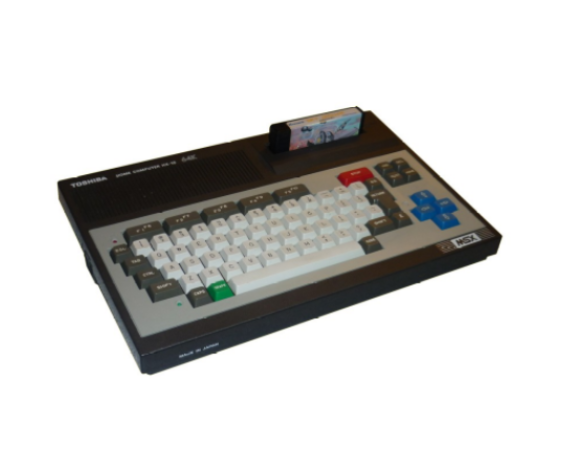
MSX Computers

An effort to standardize home computer markets

The MSX standard was designed by ASCII Corporation in collaboration with Microsoft, which supplied the computers’ basic interpreter, “MicroSoft eXtended BASIC.” This partly explains the abbreviation in the computers’ MSX name. Kazuhiko Nishi of Japan is widely recognized as the father of the MSX concept.

The name “MSX” can mean much more than MicroSoft eXtended. Nishi said he used the abbreviation MSX to refer to the Matsushita Sony X-machine, where X could refer to the company with which Nishi was negotiating the production of the devices. Nishi initially wanted to name the standard either “NSX” (Nishi Sony X) or “MNX” (Matsushita Nishi X), but Honda had already taken the name “NSX.” Following this logic, Nishi could also say that MS refers to MicroSoft. According to Nishi, Matsushita and Sony were the most important companies manufacturing MSX machines. In 1976, Kazuhiko Nishi was studying at the prestigious Waseda University in Tokyo. He was already fascinated by the new world of computers, software, and electronics. Together with his friends, he set out to create a game that would run on the General Instrument AY-3-8500 processor. These were the same processors used in the Odyssey 300 console and Coleco Telstar.

Nishi wanted to build the console himself, so he visited General Instrument to buy some chips, but was told that the chips were not available for retail purchase. Since he didn’t have enough money to buy large quantities of chips, he decided to abandon the idea. In August 1977, Kazuhiko Nishi picked up the phone and called Microsoft headquarters. Bill Gates answered the call, and at the end of the conversation, Nishi offered Bill Gates a plane ticket to Tokyo so they could meet in person. Gates declined the offer because he was too busy to travel, so instead, Nishi flew to the US to meet Bill Gates. Nishi and Gates finally met in person two months later at a computer exhibition. Nishi and Gates talked for over nine hours and realized they had a lot in common. Both men were 21 years old, came from similar social backgrounds, had both left college to start their companies, and shared the same passion for computing and were certain that the software and computer markets were about to explode. Their personalities complemented each other well. Nishi was friendly, persuasive, and had all the skills you would expect from a professional businessman, while Gates had a more theoretical approach to things. Nishi became Microsoft’s vice president, and his company, ASCII, became Microsoft’s official representative in Japan. Nishi’s relationship with Bill Gates helped ASCII Corporation grow. Microsoft and ASCII Corporation jointly developed MSX, a new personal computer standard for the market.

Kazuhiko Nishi called Kazuya Watanabe, president of NEC Corp., and convinced him to come to the United States to meet Bill Gates and Paul Allen, the founders of Microsoft. The meeting with the young owners of Microsoft was decisive. Watanabe was impressed by these young men. He returned to Tokyo with a project in mind, which he presented to his company’s board: to build a new computer with the support of Microsoft and ASCII. In 1979, the result of this project was completed, and the new “NEC PC 8000” computer was born, which was the first Japanese home computer. It was also the first home computer with Microsoft’s built-in Basic language. The NEC PC 8000 was a commercial success and a great opportunity for Microsoft and ASCII. Nish’s company ASCII had a large share of the software market in Japan, largely due to its collaboration with Microsoft. It was already a good situation, but it was clear to Nish that the home computer market needed a standard. For example, Matsushita, which was the world’s largest electronics company at the time, demanded standardization in the industry.

While Spectravideo was building and marketing it

s SVI series home computer, Kazuhiko visited leading Japanese electronics companies. He brought along a Spectravideo SV-328 model and demonstrated its versatile features. He believed that Spectravideo was ideal for creating the MSX standard. Matsushita was particularly impressed and considered Spectravideo to be the ideal basis for the MSX home computer standard project. Nishi also convinced most other Japanese electronics manufacturers to adopt the MSX standard. Soon, Casio, Canon, Fujitsu, Hitachi, Victor, Kyocera, Mitsubishi, Nec, Yamaha, General, Pioneer, Sanyo, Sharp, Sony, and Toshiba joined the project. Nishi also got Korean companies GoldStar, Samsung, and Daewoo on board. Between October 1983 and the summer of 1984, approximately 265,000 devices were sold in Japan by 12 different manufacturers. It was not as big a success as expected at first, which was expected to be achieved through standardization. The standard set by Nishi required complete compatibility between MSX computers, but it did not prevent manufacturers from adding additional features as long as they did not affect compatibility. Pioneer manufactured MSX computers with laserdiscs, while JVC focused on models with video editing features. Yamaha’s devices were designed for music.

In 1983, despite their friendship, Bill Gates was becoming increasingly irritated by Nish’s search for new technologies instead of marketing Microsoft software in Japan. The MSX project took up a lot of Nishi’s time and energy, and although Microsoft in the US officially supported the project, its investment in MSX support was limited. As the Japanese market grew, Gates became increasingly impatient with Nishi. Nishi spent $1 million on an MSX standard advertising stunt featuring a giant dinosaur puppet at Tokyo’s Shinjuku train station. Gates was furious, even though Nishi’s company paid for this unusual marketing event. Gates was preparing Microsoft for its IPO, but he still tried to reorganize things. Gates offered Nishi a plan to merge ASCII with Microsoft and participate in Microsoft’s stock offering. Nishi refused and wanted to remain independent. After painful discussions, they decided to end their collaboration, leaving both men bitter. Nishi claimed that he would have the freedom to start projects that he could not have done with Microsoft, such as designing video and audio chips.

MSX computers were popular in Korea, Japan, South America (Brazil, Chile), the Netherlands, France, Spain, Finland, and the former Soviet Union. Although MSX did not succeed in becoming a global computer standard, MSX devices were versatile and easy to use computers for their time. Thanks to its clear operating system and good Basic interpreter, it proved useful for educational purposes. The Soviet Union made large purchases of MSX1 and MSX2 computers, which were connected to the computer network of the time. An entire generation of Russian programmers grew up using MSX devices. The first MSX computers were imported to Europe in the fall of 1984 by Sony, Toshiba, Canon, Sanyo, Yashica, and Philips. For some reason, the supply of machines in Europe was limited, with only about 100,000 MSX devices available in Europe before April 1985. This limited the total sales figures. The reception varied greatly in different European countries. MSX computers sold well in Italy, but not in the UK, where the ZX Spectrum was already very popular. Everything was tried, including Spectravideo spending millions of dollars on advertising, including a publicity stunt with actor Roger Moore (James Bond).

However, the spread of MSX in the United States was very slow, and Microsoft did not actively promote it. The 8-bit market was dominated by Commodore, which had eliminated most of its competitors by lowering prices. In the United States, MSX devices ultimately remained marginal and unknown. The only MSX machines ever sold widely in the United States were Spectravideo and Yamaha. The easiest place to buy an MSX device in the US was a music store, as Yamaha was supposed to be suitable for making music, but it was claimed that Yamaha’s MSX machines were too difficult to use for this purpose. Yamaha released several MSX machines throughout the 1980s. The MSX1 standard had a lifespan of five years and ended in 1988, as the MSX2 standard had already replaced it two years earlier. By this time, the MSX2+ standard had also entered the market, followed by MSX-Turbo in the early 1990s. More than ten years later, 1chipMSX was designed. The name refers to the fact that all MSX logic is programmed into a single FPGA chip. With its reprogrammable logic, is the 1chipMSX a real MSX device or an emulator, since the chip can also be used to emulate other computers?

The main processor of MSX devices was the Z80A with a clock speed of 3.58 MHz. The video chip was either the TMS9918 or TMS9928 VDP chip, which was also used in Texas Instruments TI-99/4, Colecovision, and Coleco Adam computers. In later MSX models, the chip was upgraded to V9938 (MSX2) and V9958 (MSX2+ and TurboR). The AY-3-8910 is responsible for sound production in MSX devices. It is the same chip used in the Sinclair Spectrum 128. The AY-3-8910 provides a three-channel sound circuit and noise. Thanks to their architecture, MSX computers are well suited for games, and many good games were either written or ported to MSX devices. Many MSX games, especially those released in Europe, were poor translations of popular Sinclair Spectrum games. The Japanese company Konami was well known for its MSX games. For example, many of the most famous games for the 8-bit Nintendo were also released for the MSX. This was not unusual at the time, as Konami, for example, released games for both platforms. In fact, the Metal Gear series originated on the MSX.

es_ESEspañol