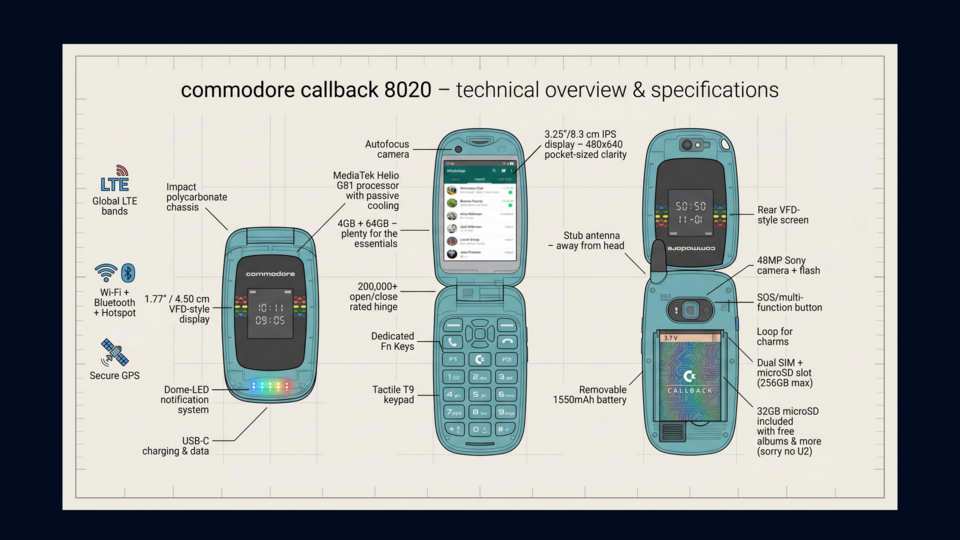
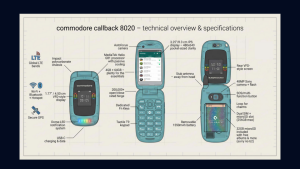
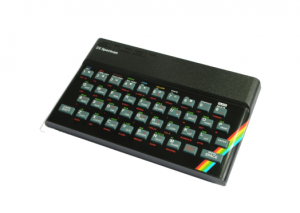
A week after its announcement, it’s worth taking a look at how sales have gotten off to a start for the new hybrid phone developed by Commodore, the Callback 8020 model. The new product received some press coverage for a short while, but not much has been reported since the announcement. When examining sales figures, it’s important to keep a couple of things in mind, and we can draw lessons by comparing it to other products being reintroduced to the market by small manufacturers. Sales volumes range from a few hundred to a couple of thousand when looking at high-value retro products, such as the crowdfunding campaigns for the Spectrum Next. The latest, third crowdfunding round has attracted 7,524 backers, which is an outstanding achievement, given that purchasing a Spectrum Next required an investment of £320 ($428.35 / €374.66). The third funding round raised £2,612,335 ($3,496,836 / €3,058,546) for the production of the Spectrum Next.
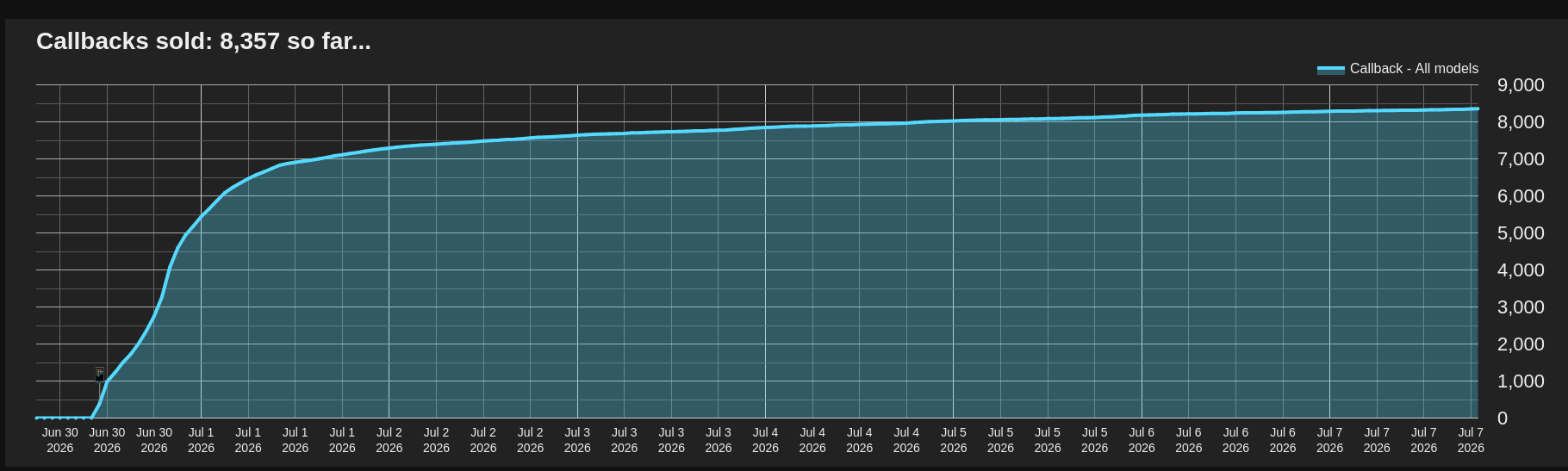
By comparison, the Commodore Callback 8020 raised funds during its first week by selling 8,357 units, including 341 of the premium “Founders Edition” phones.
A quick calculation shows that this amounts to $3,423,806 (€2,994,669). In about a week, roughly as many units of Commodore’s new phone have been sold as Spectrums. The figures aren’t exact, but they give a good indication. This is because taxes are not included in the price of the Commodore phone, and the figure was calculated by estimating the funds raised for the device’s production based on sales data and the unit price. The data was collected on July 7, 2026—one week after the Commodore Callback 8020 was announced.
Verdict
So, is this a good sales achievement that Commodore managed to achieve with its new phone? As is often the case with many other things, there are several ways to look at this. If we compare these sales, for example, to how many iPhones are sold per day according to ChatGPT, Apple sold an average of 676,600 units per day in 2025. In other words, the sales figures for Commodore’s Callback 8020 model are quite modest. But when you consider that Commodore essentially has only one sales channel (its website), these sales represent a strong result for a small, fledgling manufacturer. Also, compared to the most popular crowdfunding projects, Commodore’s result is a strong performance in its category. Few projects, emerging from obscurity, manage to raise $3.5 million in funding for their initiative in a single week. This is especially impressive given that Commodore’s product has fewer features than its competitors. By comparison, the Dutch company Fairphone has sold 400,000 units of its Android phone in a year. Fairphone started from scratch, just like Commodore, but on the Android platform, and targeted the smartphone market—and succeeded fairly well. In Commodore’s case, it’s not about how many units it can sell initially—though that is, of course, an important factor for success.
The most important thing is that Commodore is able to convince its target audience of the need for its specialty phone. If there are enough people who are tired of being constantly online and are ready to shift their use of internet services from smartphones to computers, Commodore’s Callback 8020 will find its audience. But first, Commodore must reach key customer groups so that the message is conveyed effectively. In the case of the Spectrum Next, for example, the device has attracted software developers from the retro community to create games and tools for it. This means the device doesn’t need to sell millions of units to be attractive for developers, as long as it reaches the right target groups. So why couldn’t Commodore succeed in the same way, since—thanks to its ready-made Sailfish operating system—it’s a more complete product than the Spectrum Next?









 English (UK)
  Suomi
Suomi  Español