
The console that changed gaming forever
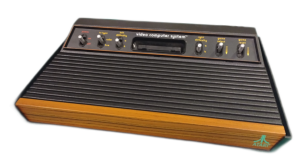
In 1977, Atari introduced the Video Computer System (VCS), later widely known as the Atari 2600, a home video game console that would fundamentally reshape the gaming industry and set the standard for decades to come. Unlike earlier dedicated consoles, which came preloaded with a fixed set of games, the Atari VCS introduced the groundbreaking concept of interchangeable game cartridges, allowing users to expand their library at will. This innovation not only revolutionized the business model of home video gaming but also laid the foundation for the modern game industry, establishing principles of software licensing, third-party development, and consumer choice that continue to influence the market today.
At its core, the Atari VCS was a relatively modest machine, powered by a MOS Technology 6507 CPU running at 1.19 MHz, with a mere 128 bytes of RAM. Its TIA (Television Interface Adapter) handled graphics and sound, offering low-resolution visuals and simple audio capabilities by modern standards. Yet these constraints became a canvas for creativity. Developers learned to maximize the hardware, producing games that were simple in presentation but engaging and addictive in play. The introduction of cartridges allowed for a staggering variety of games, from Space Invaders and Pac-Man to original Atari titles like Adventure and Pitfall!, each pushing the limits of the system in unique ways. The significance of the Atari VCS goes beyond its technical specifications. It popularized video gaming as a home entertainment medium, transforming the living room into an interactive playground. Families could now share experiences, compete, and explore new worlds through a television screen. The ability to purchase new cartridges meant that the console had longevity and adaptability, distinguishing it from earlier “dedicated” systems and fostering an entire ecosystem of software development. Third-party companies, inspired by the success of Atari’s cartridge model, entered the market, leading to a rapid expansion of the industry and, eventually, the diversification of game genres and experiences.
The Atari VCS quickly became a symbol of modern entertainment. Its relatively low cost, compared to early computers, and ease of use made it accessible to young audiences, while parents appreciated its straightforward setup and the sense of engagement it fostered. Magazines and hobbyist communities grew around the console, providing reviews, tips, and programming insights for those who wanted to delve deeper. The VCS inspired a generation of players who would later become programmers, designers, and creative professionals, highlighting its cultural as well as technological impact. The Atari VCS also reshaped industry economics. The cartridge-based model created new revenue streams for Atari and set a precedent for intellectual property licensing. Unlike preloaded consoles, which limited revenue to hardware sales, the VCS allowed Atari to profit continuously as users purchased additional games. This approach incentivized both Atari and third-party developers to innovate, expanding the market and creating an enduring business model that remains at the core of the gaming industry. It also introduced the concept of collectibility, as rare or high-demand cartridges became desirable items, a phenomenon that persists among retro gaming enthusiasts today.
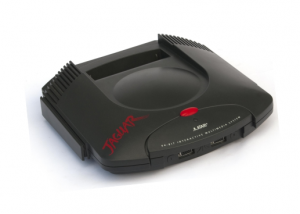
Despite its success, the VCS faced challenges. Its limited hardware imposed design constraints, often resulting in games with simple graphics and repetitive gameplay. The early 1980s saw a flood of low-quality titles, contributing to the video game crash of 1983 in North America. Yet, the VCS’s legacy endured because of its foundational innovations. By emphasizing interchangeable software, third-party development, and home accessibility, Atari had created a model that could evolve with technology, influencing the design of future consoles from Nintendo, Sega, and Sony. Fast forward to the 2020s, and the Atari VCS continues to be relevant, both as a nostalgic icon and as a modernized platform. Recent iterations of the Atari VCS hardware combine retro design with contemporary technology, including streaming capabilities, modern graphics support, and access to both classic Atari titles and new indie games. This demonstrates the console’s enduring adaptability: the fundamental appeal of cartridge-based or modular game access remains relevant in an era dominated by digital distribution. The modern Atari VCS serves as a bridge between the origins of home video gaming and today’s diverse gaming ecosystem, appealing to collectors, retro enthusiasts, and new audiences alike.
From a historical perspective, the Atari VCS exemplifies how a single technological innovation—the interchangeable cartridge—can transform an entire industry. It not only provided users with flexibility and choice but also encouraged creativity among developers, established new business models, and expanded the cultural footprint of video games. The gamers experienced firsthand how the console turned televisions into interactive portals, fostering social engagement, problem-solving, and imaginative play. Its impact extends beyond nostalgia: the principles introduced by the VCS underpin contemporary gaming, from console design to digital marketplaces and software licensing. In conclusion, the Atari VCS was more than just a gaming machine; it was a catalyst for an industry and a cultural phenomenon. Its cartridge-based innovation, combined with a modest but effective hardware design, created a platform that inspired developers, engaged players, and shaped the economic and creative framework of modern video gaming. The enduring legacy of the VCS is visible in today’s consoles, digital game distribution, and retro gaming communities worldwide. By bridging the past and present, the Atari VCS remains a symbol of innovation, accessibility, and the transformative power of home entertainment. Its influence continues to resonate in the 2020s, proving that a simple idea—interchangeable games—can redefine an entire industry and inspire generations to come.









 Suomi
Suomi  English (UK)
  Español