web analytics

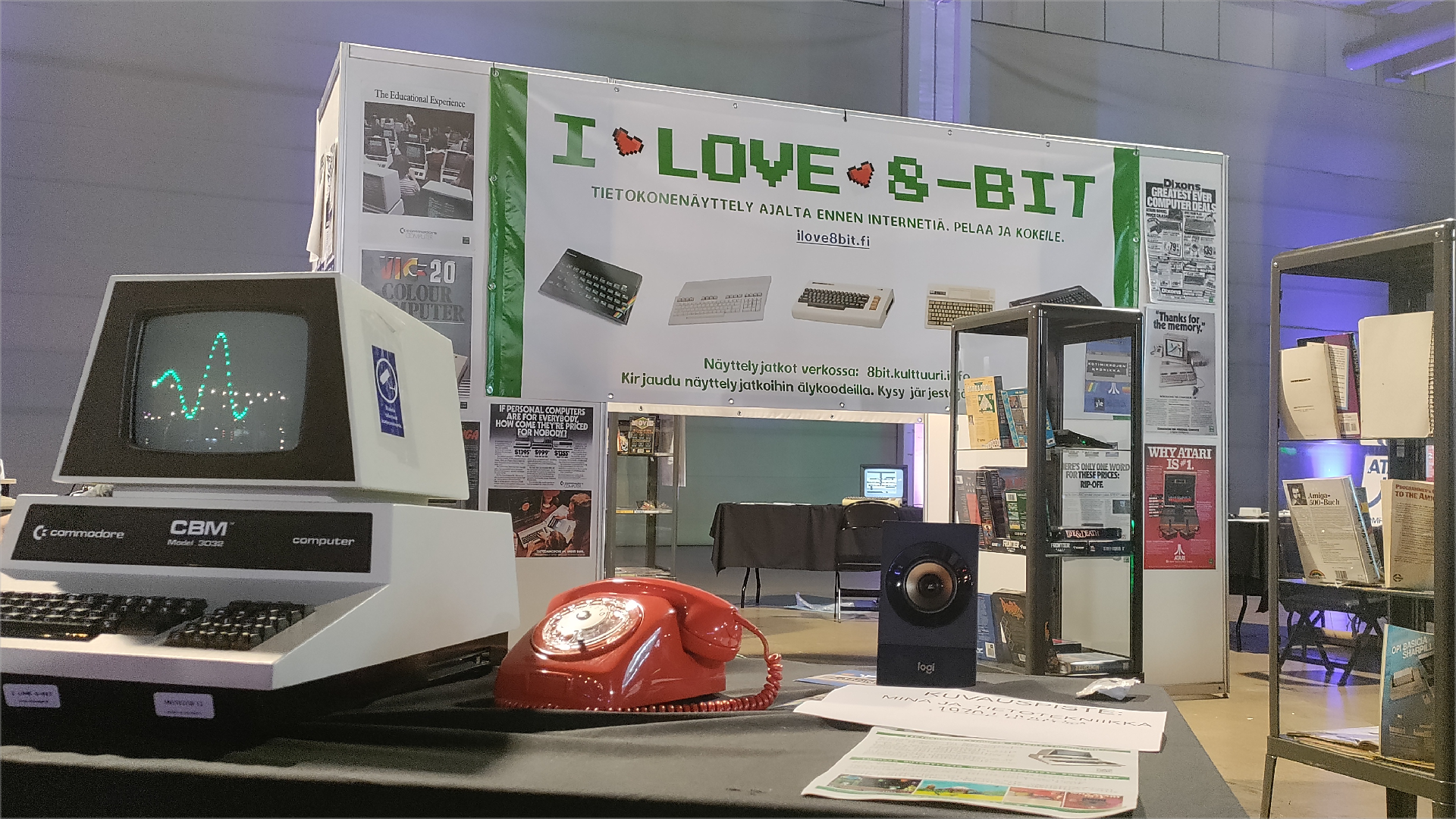
Tietokonekulttuurin juhlaa: I love 8-bit®

This article was published by The Computer Museum of Kallio, Helsinki, Finland (2026). The purpose of this article is to present historical computer culture and explore how it can be integrated into various environments to entertain people today in a world that is becoming increasingly complex. I love 8-bit® – The show that was created …

Read more..

Tietokonekulttuurin perintö

The Golden Age of Home Computers: Exploring the computer culture The 1980s was the revolutionary period in the history of personal computer technology.  It was a golden age of home computing that changed how people interacted with machines forever. Long before sleek smartphones or high-speed fiber internet, the 1980s home computer era was defined by …

Read more..

Commodoren ja Atarin kohtalonhetket

© 2025 I love 8-bit® -publications What happened to Commodore and Atari? The 1970s and 1980s were a boom time for the microcomputer market. New devices and manufacturers with their own personal solutions appeared for consumers to purchase to solve their home computing needs. Spectravideo, Sinclair, Dragon, Oric, Amstrad, Texas Instruments. Acorn… all these were …

Read more..

Atari ST

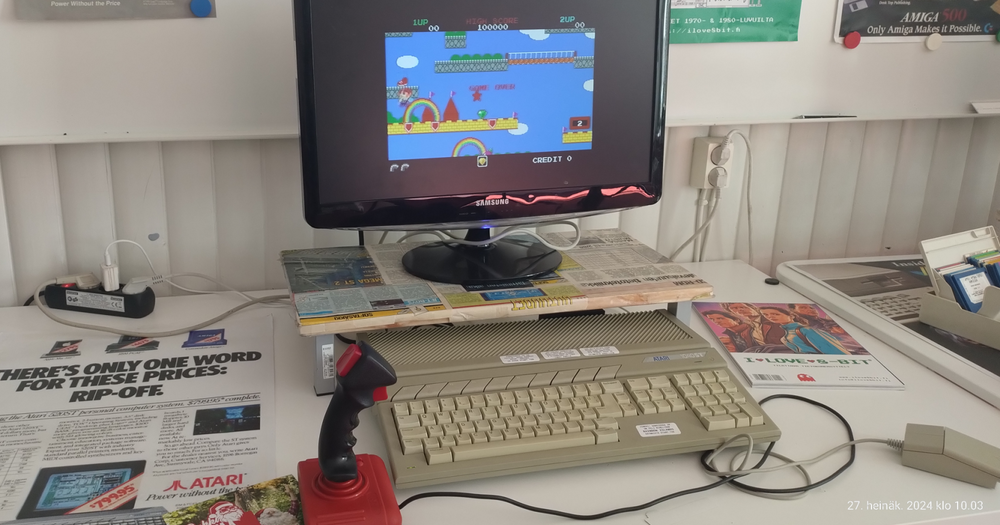
The computer for musicians The Atari ST was a popular home computer in the 1980s that combined powerful performance, a relatively affordable price, and a user-friendly graphical interface. The Atari ST (ST refers to Sixteen/Thirty-two, referring to its 16/32-bit architecture) was released in 1985 and entered the market to compete primarily with the Commodore Amiga, …

Read more..

Commodore 128 – Kodin monitoimikone

Released in 1985, the Commodore 128 represented one of the most ambitious attempts by Commodore International to create a truly versatile home computer. Dubbed by enthusiasts as the “multi-talented” machine, the C128 was designed to appeal to both the loyal Commodore 64 user base and new customers seeking a more powerful, flexible system. It was …

Read more..

Victor HC-6 MSX

Veni, vidi, Victor – An attempt to reach standards In the early 1980s, Japanese electronics companies competed with each other on new, rapidly developing computer platforms. One of the most interesting phenomena was the MSX standard, which aimed to create a compatible ecosystem for home microcomputers. Among the many well-known names was JVC (Victor Company …

Read more..

Salora Manager

Salora was the computer in borrowed plumes In the early 1980s, home computers flooded the world at an accelerating pace. One interesting step of the early computer era was the Salora Manager. It was a home computer that was not technically Finnish, but was sold under a Finnish brand name. Salora Manager was the Finnish …

Read more..

Atari 400

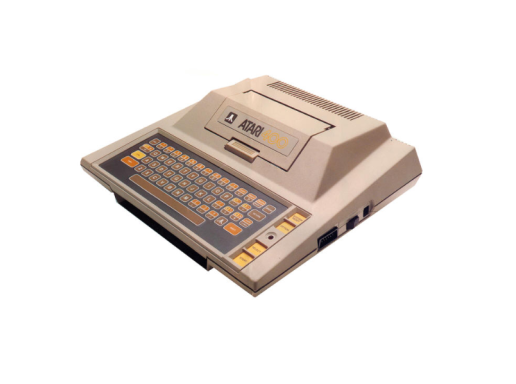
Atari enters to home computing markets: Introducing Atari 400 In 1979, Atari introduced the Atari 400, a home computer that would play a pivotal role in the early days of personal computing. Released alongside its sibling, the Atari 800, the 400 was designed as an approachable, family-friendly machine capable of gaming, education, and light productivity. …

Read more..

MSX-tietokoneet

An effort to standardize home computer markets The MSX standard was designed by ASCII Corporation in collaboration with Microsoft, which supplied the computers’ basic interpreter, “MicroSoft eXtended BASIC.” This partly explains the abbreviation in the computers’ MSX name. Kazuhiko Nishi of Japan is widely recognized as the father of the MSX concept. The name “MSX” …

Read more..

fiSuomi