What’s this all about?
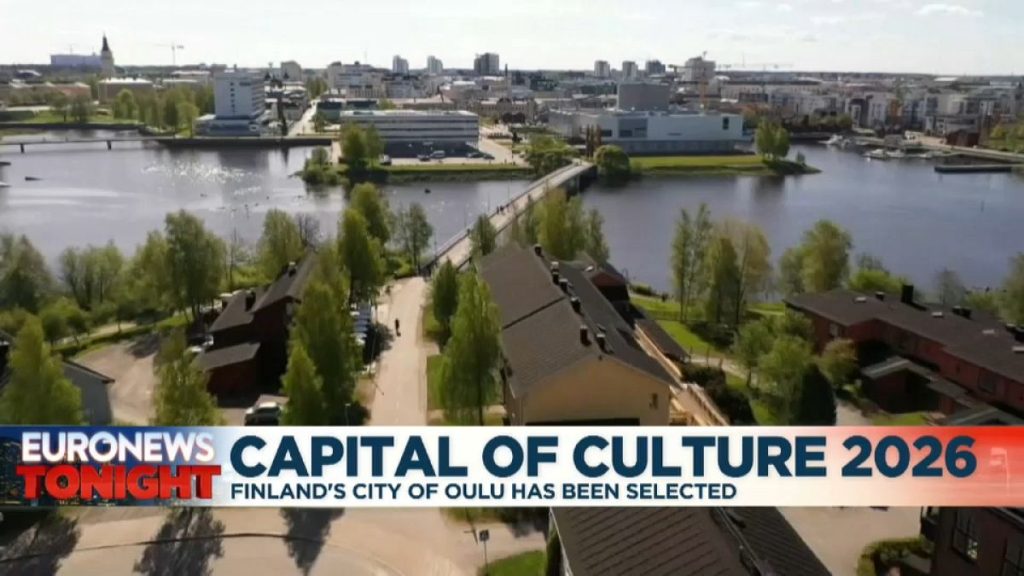
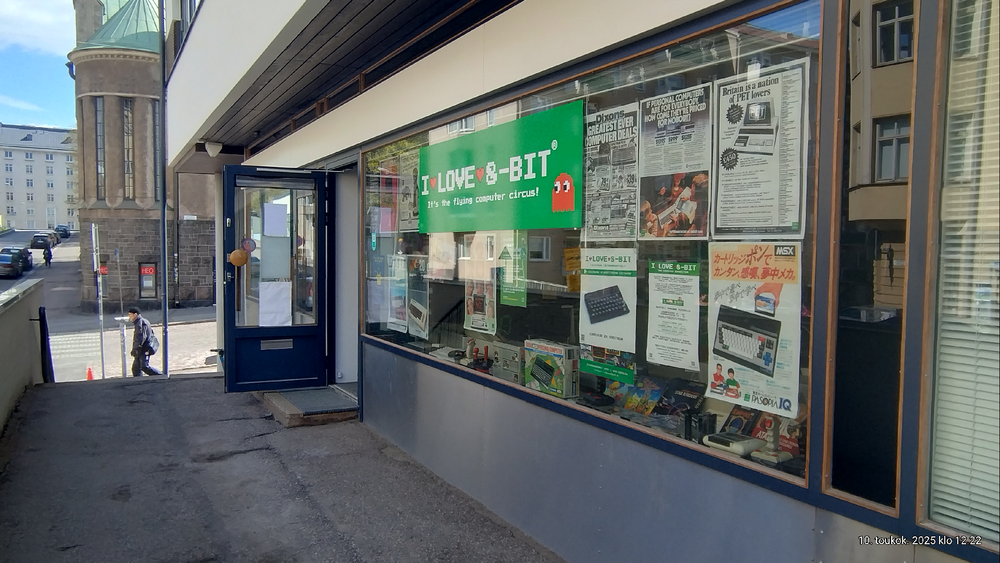
I love 8-bit® – It’s the flying computer circus! is a travelling event that visited Oulu Central Library in Saari as part of the programme for Oulu2026, the European Capital of Culture. Produced by The Computer Museum of Kallio from Helsinki, this travelling exhibition brought the experience of 1970s and 1980s computer culture to Oulu in a way that combined technological cultural heritage, gaming, nostalgia, immersive experiences and intergenerational interaction. This is not a traditional exhibition where old computers are viewed from behind a glass case. The central idea behind the I love 8-bit® exhibition is to bring computer culture back to the present day in a way that allows favourite computers of yesteryear to remain in use, whilst passing on the associated skills to future generations. Visitors were able to try out, play on and familiarise themselves with the devices of that era. In this way, IT equipment over 40 years old was transformed from a museum exhibit into a living cultural experience. It would be worth adding a separate paragraph here, just before the section dealing with visitor numbers. It highlights the fact that the atmosphere wasn’t created solely by seeing the devices, but by a functioning audio-visual environment. The Kallio Computer Museum’s own material emphasises authentic experiences, the functioning of old machines and also the involvement of the demoscene.
An authentic 1980s atmosphere
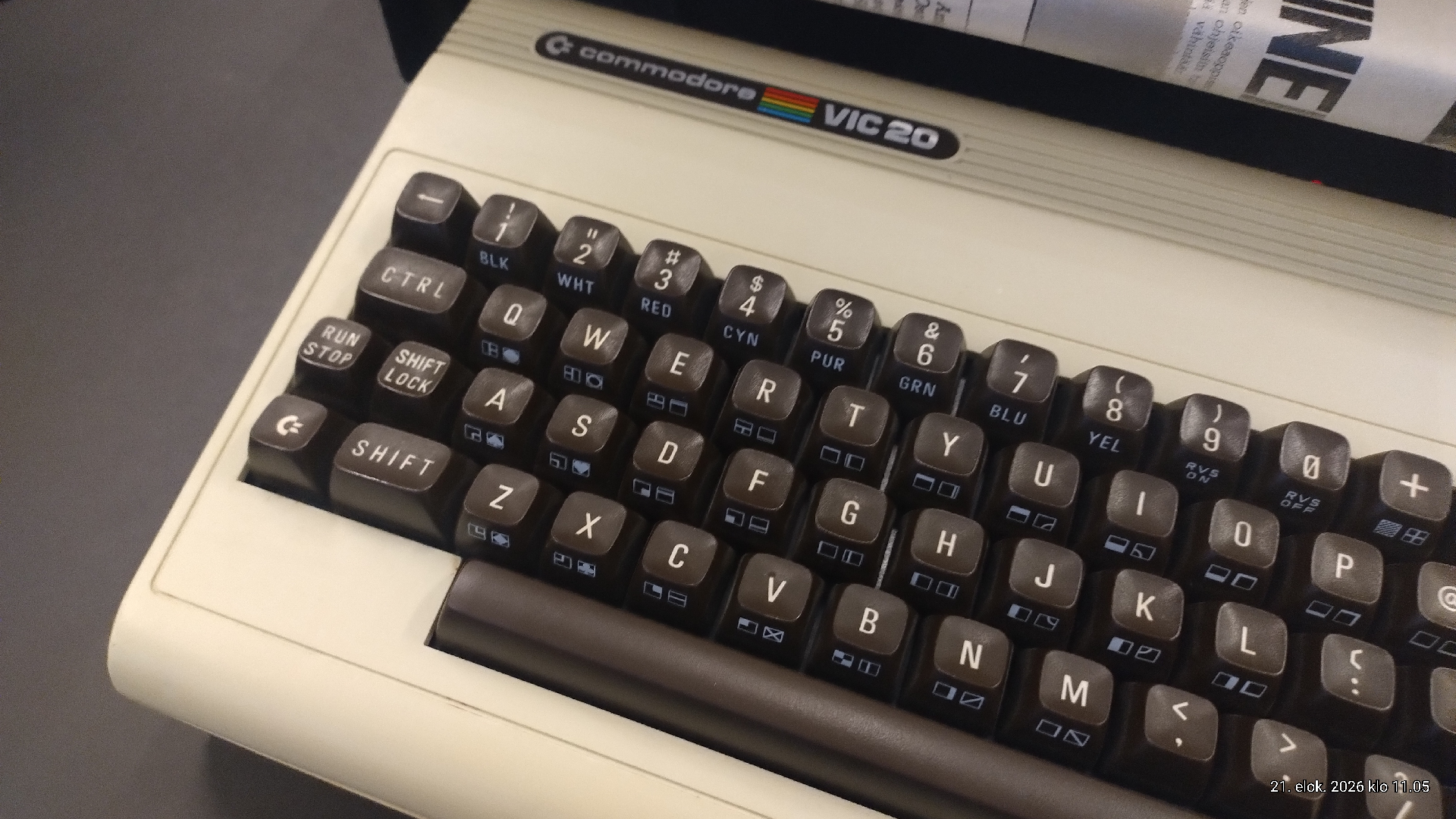
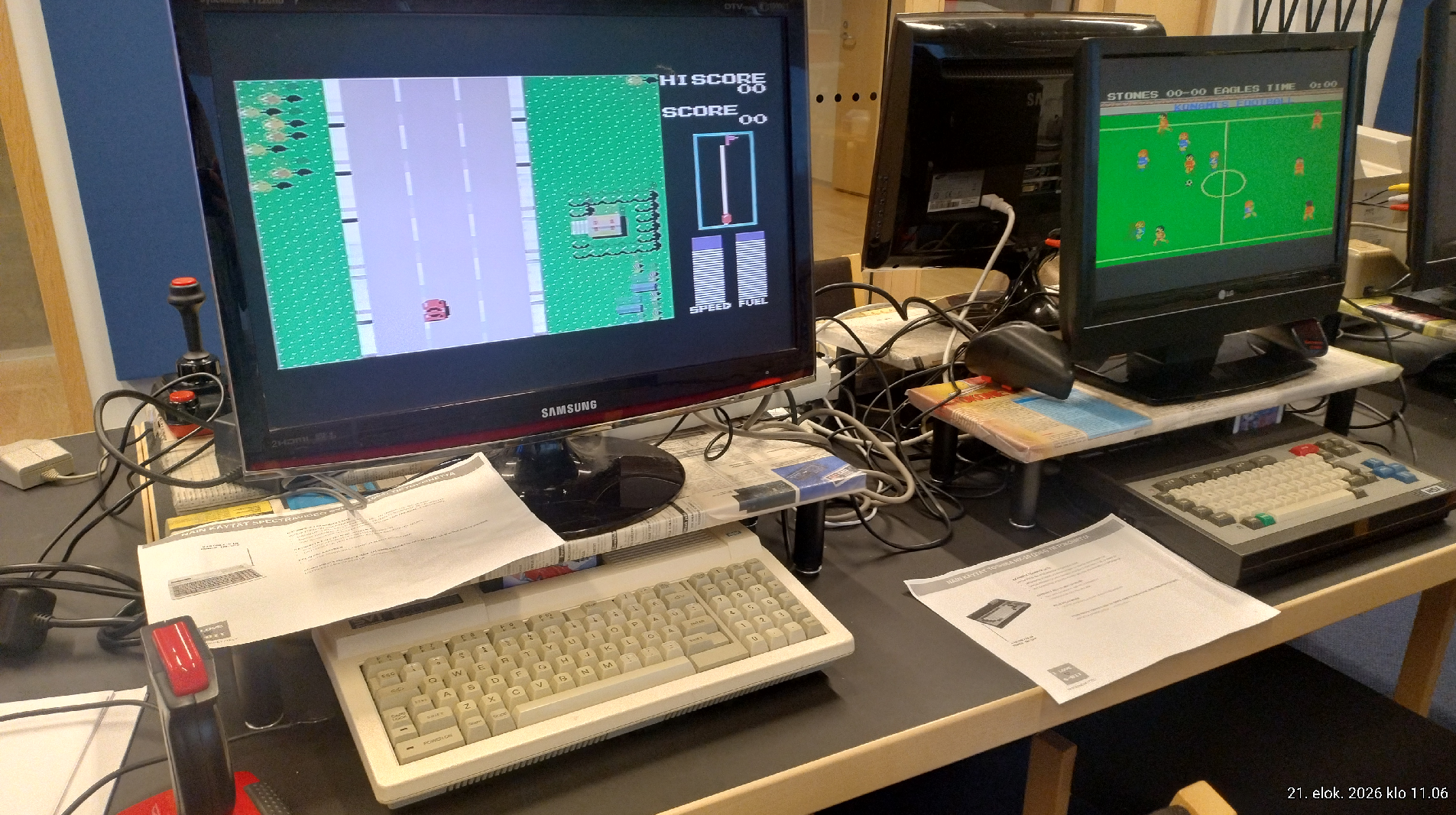
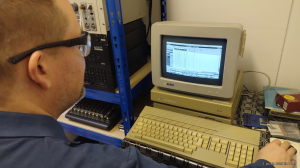
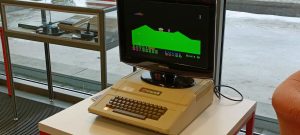
The immersive nature of the Oulu exhibition stemmed, above all, from the fact that beloved computer classics were actually up and running. Visitors were not faced with a silent collection of old devices, but with an environment in which Commodores, Amigas, Ataris and other computers of the era came to life. The sounds of the games, the familiar beeps of machines booting up, the synthetic and primitive computer music, the graphics and the games all combined to create a powerful soundscape and visual experience of the 1980s computer world. Furthermore, a significant part of the atmosphere was also created by the demoscene, one of the most distinctive phenomena of Finnish computer culture. The demoscene brought music, graphics, animations and technical experiments to computers at a time when the performance capabilities of the hardware were extremely limited compared to today. It was precisely the act of circumventing these limitations that gave rise to astonishing creativity and an entirely new digital subculture. In Oulu, these elements made the exhibition more than just a collection of old computers. Sounds, music, pixel art, games, the demoscene aesthetic and the original hardware on display created an authentic 1980s atmosphere. Visitors were left with the impression that they were not merely looking at the past, but stepping back for a moment to a time when an entirely new culture was forming around computers.
This sense of authenticity was further enhanced by the fact that the exhibition allowed visitors to experience precisely those small details that are part of early computer life: loading a game, using a cassette or disk drive, waiting for the system to boot up, and trying out programmes. In the ‘I love 8-bit®’ exhibition’s own description, this experience is even compared to a situation where you had to wait several minutes for a game to load from a cassette – and it wasn’t even certain whether the game would start at all. This is an essential part of the cultural phenomenon created by the Kallio Computer Museum. In this exhibition, technology is not merely an object, but an experience. When working classic computers, an authentic soundscape, games, the demoscene culture and the visual world of the 1980s are brought together in the same space, an experience is created that different generations can revisit together.
The cultural phenomenon created by The Computer Museum of Kallio
The event in Oulu cannot be viewed in isolation from the activities of The Computer Museum of Kallio. Based in Helsinki, this innovative and unique museum has built a comprehensive programme around the ‘I love 8-bit®’ exhibition, in which old computer technology is not merely a collector’s item, but a living cultural heritage to be experienced. Since 2022, ‘I love 8-bit®’ has been touring libraries, cultural venues, events and other public spaces. The exhibition has already been staged over 40 times in various locations. This operating model has made it possible to bring computer culture to places where people naturally gather. At the same time, a cultural phenomenon has emerged that is clearly intergenerational. The first generation of home computer users from the 1970s and 1980s are given the opportunity to revisit their own childhood and teenage experiences. They, in turn, can show their own children and grandchildren what computers, games and software were like before the internet, smartphones and modern gaming consoles. For the younger generation, the exhibition offers a completely new experience. They can see how computers were used in an era when programmes were downloaded from cassettes and you had to wait several minutes for a game to start. The operating model that is developed by The Computer Museum of Kallio, it is precisely this hands-on approach that is central: digital cultural heritage is conveyed through experience rather than mere presentation.
The experience comes from doing
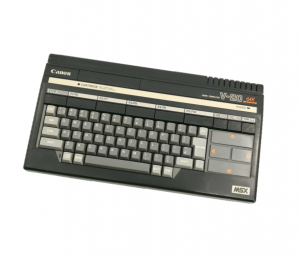
In Oulu, the exhibition’s greatest strength was its experiential nature. Visitors were not left as mere outside observers, but were able to touch, try things out, play and explore. A cultural experience centred on Commodore, Amiga, Atari, MSX and other computers of that era brought the early days of computer culture tangibly to life for consumers. Visitors could recognise a device familiar from their childhood, try out a game they’d played decades earlier, or discover a completely new computer. This also makes the ‘I love 8-bit®’ exhibition unique as a museum experience. The museum’s own operational philosophy is based on the idea that old devices should be able to be experienced and used. In the museum’s ‘Showroom’ project, this is reflected in a setting recreated as a 1984 computer shop, whilst in the traveling exhibition, the same concept is taken to libraries and event venues.
Around 400 visitors and 97 guestbook entries in a week
The Oulu exhibition attracted around 400 visitors over the course of the week. The short, week-long event thus reached a considerable audience. The visitors’ engagement is also reflected in the guest book, which contained 97 entries. Using the guest book was voluntary, so the number of entries indicates, above all, that a large number of visitors wanted to pause and reflect on their experience and leave their own mark on the event. The guest book also serves as a valuable channel for qualitative feedback. The success of an event is not measured solely by the number of people who attended, but also by the impact the experience had on them.
“The best event of Oulu’s Year as European Capital of Culture”
One of the most significant customer experiences was relayed to the organiser via the customer service team at the Saari Central Library. The feedback received from a customer was: “The best event of Oulu’s Year as European Capital of Culture.” This feedback is noteworthy because it was not a marketing slogan devised by the organiser, but visitor feedback relayed via the customer service desk. A single piece of feedback does not, of course, reflect the views of all visitors. However, it does indicate that the event succeeded in creating a very powerful and positive experience. The visitor did not merely compare the exhibition to other library events, but to the entire programme for Oulu’s year as European Capital of Culture. This is a significant achievement for an event that took its inspiration from computers over 40 years old.
New library users
One of the most important impacts of the Oulu event was also reaching new library users. ‘I love 8-bit®’ brought people to the library whose primary interest was not necessarily the library itself or its usual programme. This has been a recurring phenomenon at the Kallio Computer Museum’s I love 8-bit® exhibitions. The exhibition acts as a gateway through which new audiences are introduced to cultural services. In this sense, the event’s impact extends beyond the exhibition week itself. When a new visitor discovers the library through an interesting event, the threshold for returning may be lowered. Computer and gaming culture thus serves as a means of bringing together two seemingly disparate things: the history of digital culture and the traditional library institution.
An intergenerational cultural experience
A particular strength of ‘I love 8-bit®’ is its ability to bring generations together. In the same exhibition, someone who bought a Commodore 64 in the 1980s might meet a child for whom an 8-bit computer is a completely new experience. The older visitor is not merely the exhibition’s target audience; they often also take on the role of a guide. They can tell the child how games were loaded, how the joystick was used, or what it was like to write their first BASIC programme. Younger visitors, on the other hand, can view the familiar digital world from a completely new perspective. This fosters the transmission of cultural heritage, something that simply looking at museum exhibits may not necessarily achieve. Indeed, the mission of the Kallio Computer Museum is to make the experiences of a lost computer culture accessible once more. According to the museum, I love 8-bit® preserves and passes on the experiences of computer culture to the future precisely by bringing back beloved favourite computers for everyone to use. It is an ambitious and entirely unique cultural phenomenon, in which tens of thousands of people across Finland have taken part at I love 8-bit® exhibitions since 2022.
Media and social media coverage
The Oulu event received coverage across a range of channels. It formed part of the official cultural programme for Oulu2026, which raised the exhibition’s profile as part of the European Capital of Culture year. Visibility on social media came particularly naturally, as computer and gaming culture is a highly visual and personal subject. On Facebook, Instagram and Threads, the exhibition was approached through the prism of nostalgia, familiar computers and personal childhood experiences. On social media, visitors highlighted the exhibition in numerous posts and shared that they had visited it themselves. This kind of personal recommendation differs significantly from standard event advertising: the exhibition transforms from an advert into a personal experience and recommendation. Media coverage rounded off the experience. The Intelligent featured the exhibition in Oulu, highlighting in particular its hands-on nature. This reinforced the exhibition’s key message: it is not just about looking at old machines, but about using them.
Summary of the I love 8-bit® event in Oulu
The I love 8-bit® exhibition in Oulu demonstrated that the cultural heritage of information technology can remain extremely vibrant, interesting and relevant even more than 40 years after the era in which it originated. Around 400 visitors, 97 entries in the guest book, reaching new library users, social media visibility, media coverage and exceptionally positive visitor feedback all combine to paint a strong picture of the event’s success. At the heart of the experience, however, lay something even more important: people were given the opportunity to encounter technology not only as a historical artefact, but also as something that works and can be experienced first-hand.
The I love 8-bit® model created by The Computer Museum Kallio is, in this respect, more than just a traveling exhibition. It has evolved into a cultural phenomenon that brings together computer enthusiasts, children, young people, parents and grandparents. It makes digital cultural heritage visible, tangible and something to be experienced together. In Oulu, this intergenerational concept was realized particularly well. In the programme for the European Capital of Culture year, computer culture dating back over 40 years was not presented as a relic of the past, but as a living culture that is still capable of generating joy, conversation, memories and new experiences. It is precisely this that makes the ‘I love 8-bit®’ exhibition a cultural phenomenon at the very heart of The Computer Museum of Kallio’s activities: technology from the past is not merely preserved – it is brought back for people to experience.
The “I love 8-bit®” exhibitions are organized by The Computer Museum of Kallio, located in Helsinki, Finland. The exhibition can be borrowed free of charge, although costs will be incurred based on actual expenses for logistics and supervision.






 Español
  English (UK)
  Suomi
Suomi